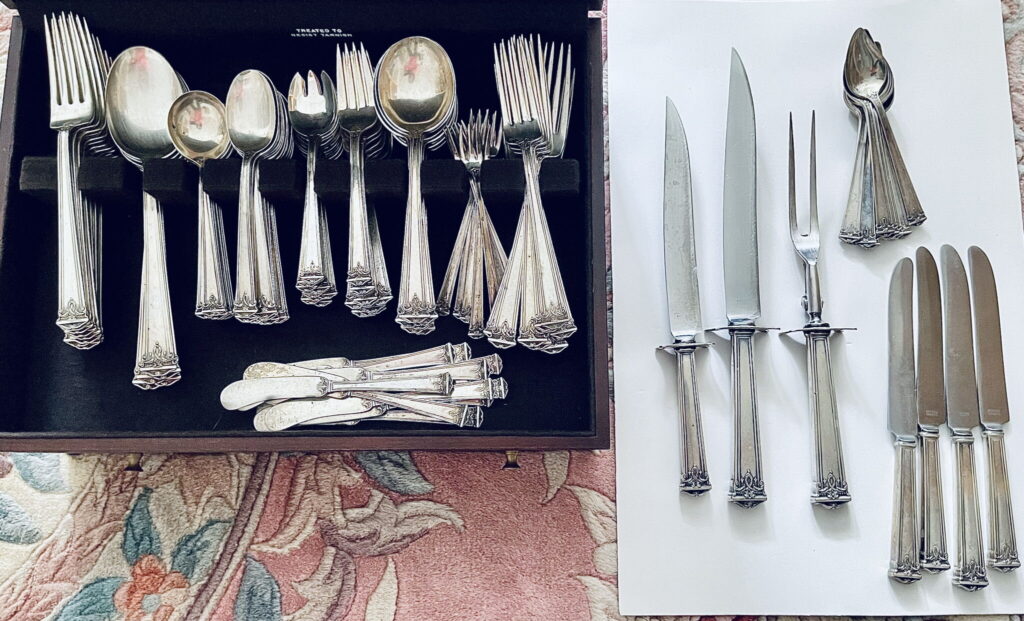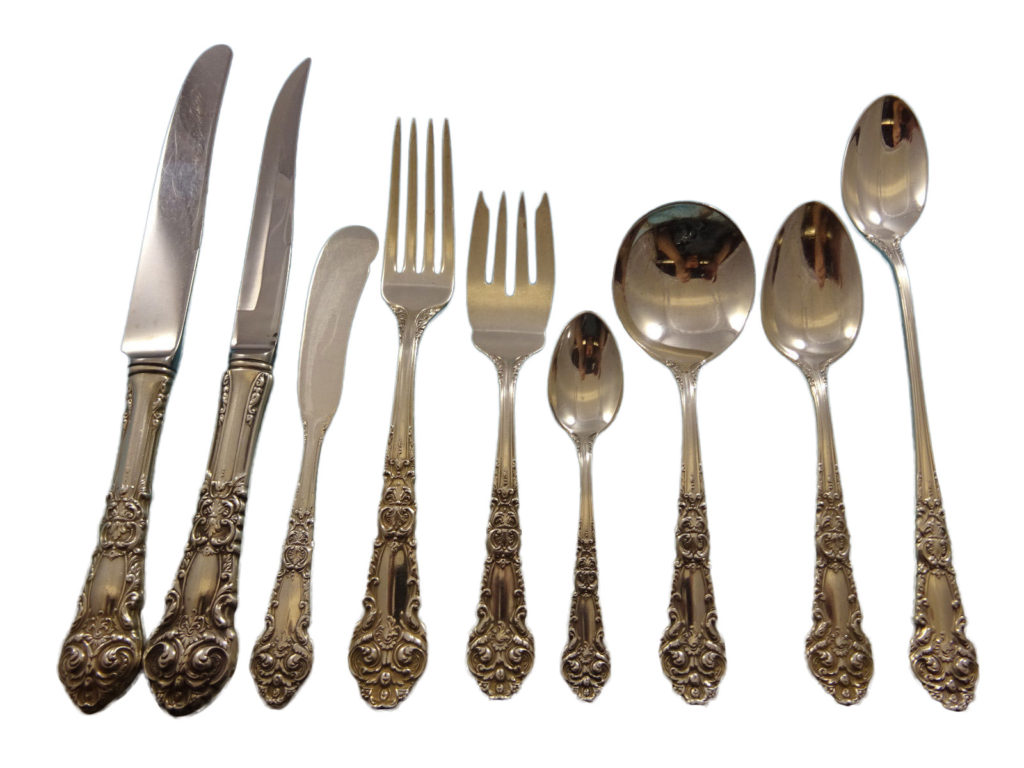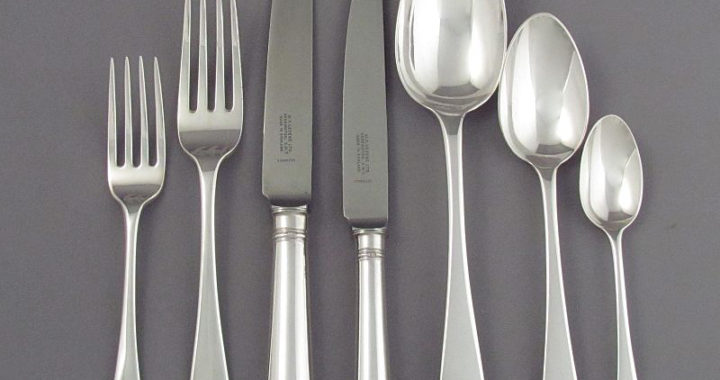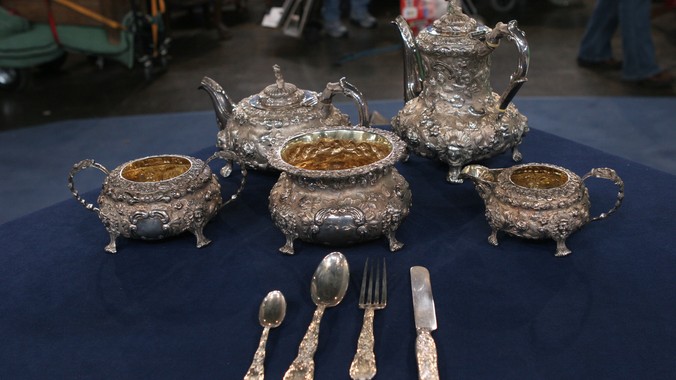
Antique Silver Flatwares

How The Price Of Silver Affects Your Profit When You Sell Silver Flatware

Have you ever wondered why some people make a lot of money selling silver flatware, while others barely break even? The secret isn’t just in the design or maker’s mark; it’s also in knowing how silver prices change and what that means for your sale.

This guide will show you how to make a lot of money from your old sterling flatware or inherited pieces that are just sitting around. It will show you how to use timing, market trends, and smart decision-making to do this.
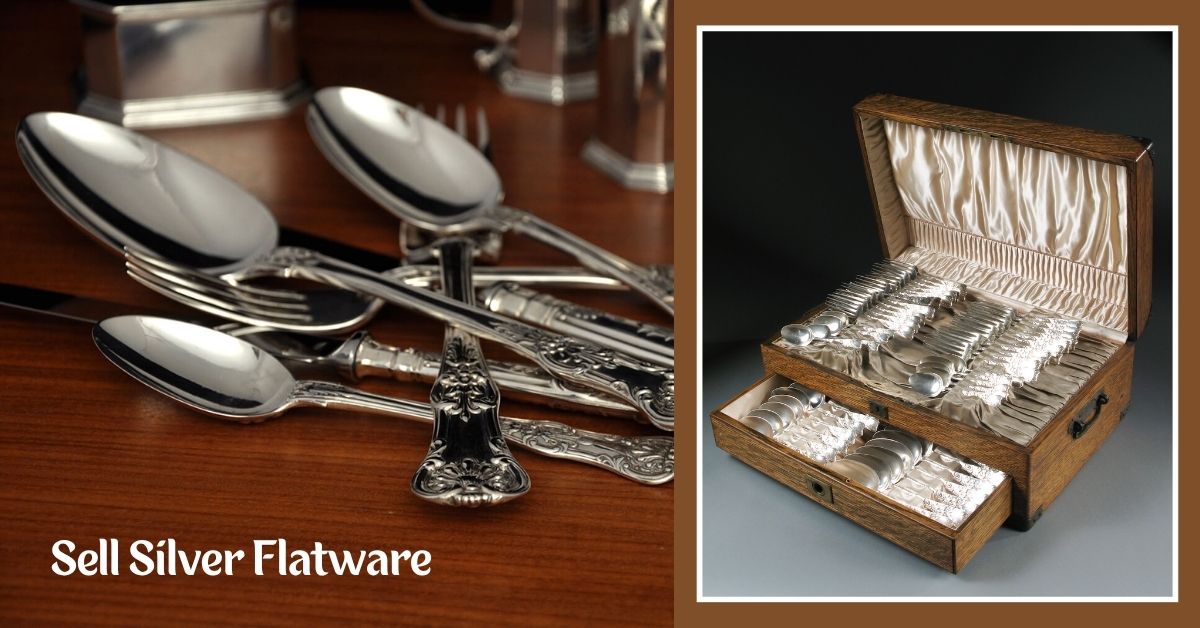
Antique Silver Flatwares

Not Knowing When or How to Sell

A lot of people start selling silver flatware without realizing that silver prices can fluctuate significantly. Prices are affected by factors such as inflation, industrial use, and even currency strength.

What happens if you sell without knowing this? When the market is low, you might lose valuable pieces. If you sold a 100-ounce sterling flatware set for $20 an ounce and then saw the price go up to $30 a few months later, you would have lost more than $1,000 in profit.

It’s not just the price of the metal, either. Many sellers don’t pay attention to craftsmanship, rarity, pattern popularity, and brand reputation, all of which can significantly affect the final offer.

How Not Paying Attention to Silver Prices Costs You Money

Let’s be honest: silver isn’t just pretty; it’s money in disguise. There is a certain amount of pure silver in every spoon, fork, and ladle, and that’s where you make your money. But this is where most sellers mess up:

They think that “silver is silver.” That’s not true.

The spot price you see online is for pure silver (99.9%), but most antique silver flatware is sterling silver (92.5%). This means that the value of your flatware’s metal will always be a little less than the spot price. However, if you sell it smartly, the collectible or antique value can make up for that difference.

Now think about selling your silverware to a scrap dealer who only pays you based on its weight and the amount of silver it contains. An experienced antique buyer or appraiser would quickly see the artistic, historical, and brand value you would miss.

That’s why picking the right buyer and timing are so important. Holding onto your set for a little longer when silver prices are going up could mean a much bigger payout. On the other hand, if the market is at its peak, that’s your best chance to sell for the most money.

The best time and an expert appraisal will get you the most money.

So, how do you make sure you don’t sell your silver flatware for too little? This is how to win:

1. Keep an eye on silver prices often

Before you are ready to sell silver flatware, check the live silver rate first. Those websites update their prices every day. Some of them are Kitco, MarketWatch, JM Bullion, and others. See the tendency. If prices keep rising, perhaps it makes sense to wait. If they have been high for over a year, you are more likely on the safe side.

2. Be Aware of What You Have

Take a close look at your pieces. Check for stamps or hallmarks like “STERLING,” “925,” or the names of well-known makers like Tiffany & Co., Gorham, or Reed & Barton. These can make a big difference in a collectible’s value, especially if they are complete or hard to find.

3. Hire a Professional to Look at It

A certified antique appraiser doesn’t just weigh your silver; they also look at its age, design, craftsmanship, and condition. They can help you find hidden treasures worth far more than their melt value.

4. Pick The Right Buyer

Stay away from regular pawn shops or online marketplaces where people often don’t pay enough for antique items. Instead, get in touch with trustworthy antique silver buyers or appraisal experts who know how much things are worth on the market and as collectibles. They’ll make you an honest, fair offer based on what the market says is worth.

5. Think About How You Want To Sell It

If you want to sell silver flatware, look into your options:

Direct sale to people who buy antiques for quick payment. This is a simple way to sell my silver quickly, but you may not get the highest price.
If you don’t need to sell right away, consign with antique dealers.
Sell sterling silver flatware online through reputable auction sites or specialist silver buyers. Selling silver flatware online can help you reach more buyers and potentially get a better price for your items.

Pick a method based on what you want to do —whether that’s getting money quickly or getting the most money back.

Your Silver Flatware Deserves the Right Moment

Silver prices are more than mere numbers on a screen. They would serve as a basis for how much the user could expect to receive when selling silver flatware. Understanding how these prices fluctuate and how the overall market works are some of the ways to make the most of the lucrative opportunity in the form of house cleaning, selling off the estate, or an heirloom item.

Take your time with the process. Keep an eye on the market, have your things appraised, and look for a buyer who values authenticity and art. When you do, you’ll find there are many good options for where to sell sterling silver, and your old silver flatware isn’t just a keepsake; it’s a valuable investment that will pay off at the right time
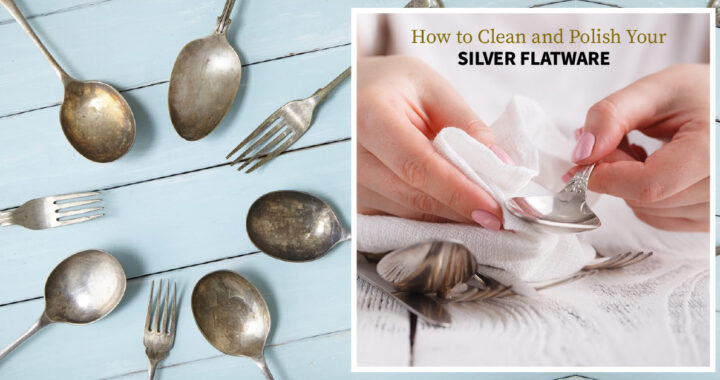
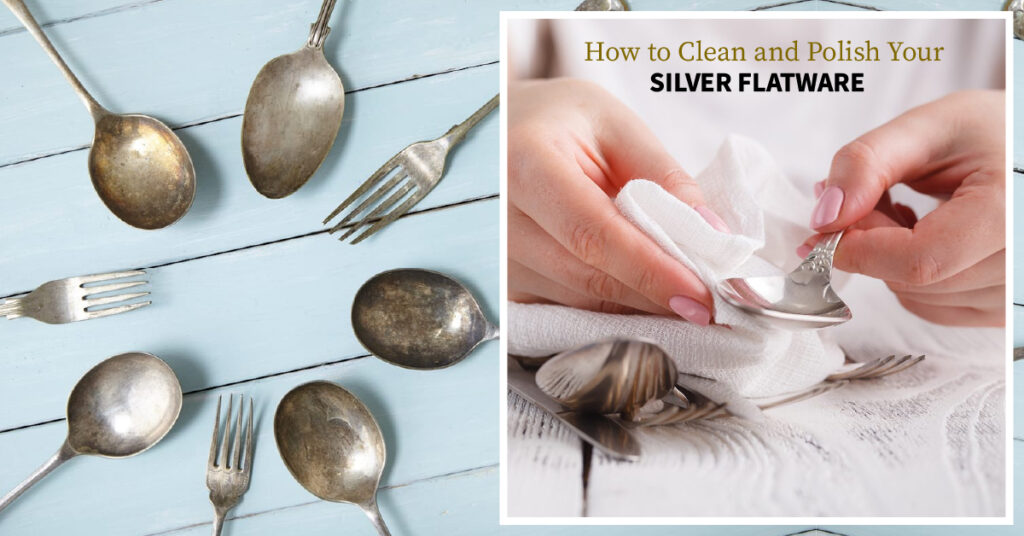
Clean-Silver Flatware

Polishing Perfection: How to Clean and Polish Your Silver Flatware Like a Pro

Are you the recipient of your aunt’s silver flatware collection? Regardless of if you inherited your flatware or have been collecting it for decades, you need to know how to clean silverware so it will be as gorgeous as the day you got it.

Silver flatware is a beautiful addition to any table setting, providing a touch of elegance and sophistication. Unfortunately, silver is prone to tarnish and over time can become dull and discolored.

Luckily, with proper care for silver and continued maintenance, your silver flatware can stay looking shiny and new for many years to come. This article will provide an overview of how to clean and polish silver flatware whether it’s to sell silver flatware or to pass it on to generations to come.

Clean-Silver Flatware

Steps to Cleaning Antique Silverware

Cleaning antique silverware requires being knowledgeable of what to do and what not to do with you valued keepsakes. Following the steps below is heavily advised so you don’t ruin your antique silver flatware collection.

The first step in caring for silver flatware is to ensure that it is properly stored. The best way to store silver is in an airtight container with a cloth or velvet lining to help prevent tarnish. It is also important to keep silver away from moisture, air, and sunlight which can all cause tarnishing.

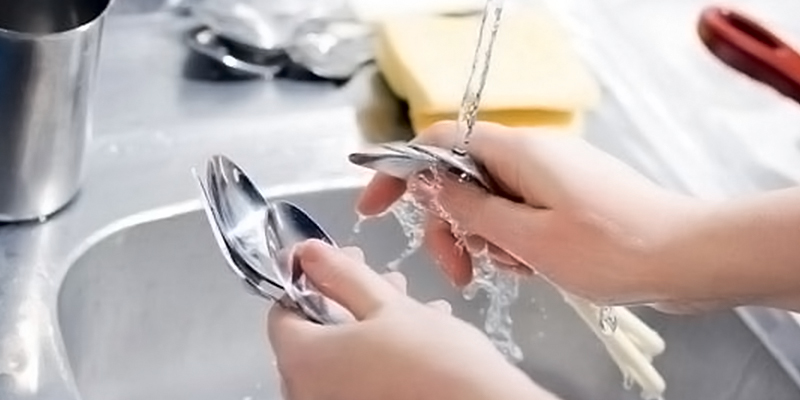
The next step in caring for silver flatware is to clean it properly. A non-abrasive solution of warm water and mild dish soap is the best way to clean silver. It is important to use a soft cloth or sponge and to avoid using abrasive materials or harsh chemicals. If the silver is heavily tarnished, a soft toothbrush can be used to gently scrub away the tarnish.

Once the silver has been cleaned, it is important to rinse it with clean water and dry it with a soft cloth. It is also important to buff away any water spots that may remain.

The final step in care for silver flatware is to polish it. It is best to use a specialized silver polish or a mixture of baking soda and water. It is important to use a soft cloth when polishing and to avoid using abrasive materials.

Inspecting Your Antique Silver Flatware

In addition to the steps outlined above, it is important to regularly inspect silver flatware for signs of tarnish or damage. Tarnish can be removed with a silver polish or a mixture of baking soda and water. If silver flatware is damaged, it is best to take it to a professional for repair.

Caring for silver flatware is important in order to keep it looking beautiful and to avoid the need for costly repairs. With proper storage, cleaning, and polishing, silver flatware can stay looking shiny and new for many years to come.

Sell Silver Flatware

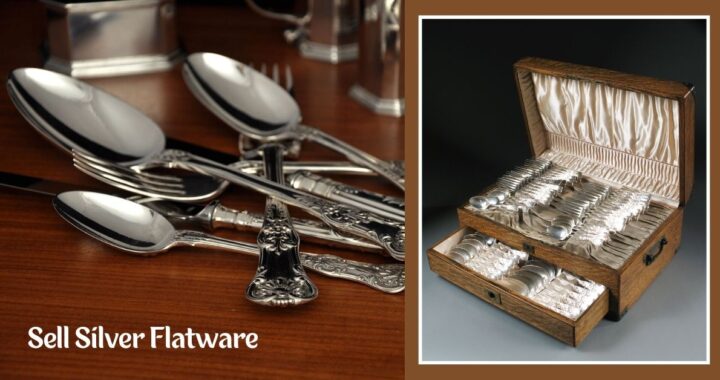
There are a number of different ways to sell silver flatware. Depending on the condition of the flatware, you may be able to sell it through an auction house, pawn shop, antique shop, or online auction websites such as eBay. You may also be able to find buyers through classified ads or by posting an advertisement on your local community bulletin board. You can also set up a booth at a flea market or craft fair to sell your silver flatware. If you have a large collection of silver flatware, you may want to consider having it appraised by a professional to determine its value.

As long as you have taken care of your treasures, you should have no problem when you go to sell silver flatware.

Valuation of Antique Sterling Silver Flatware

Guide to Identifying Silver Flatware Marks: Everything You Need to Know

Sterling silver flatware is one of the most commonly collected items due to the vast availability arising from the Renaissance time period and sets being handed down from generation to generation. For hundreds of years earlier during the Middle Ages,the way people ate was not as important as finding the food to eat. After trade began to open back up and the arts and sciences were rebirthed, utensils for eating became a part of the revitalized culture.

Flatware was a canvas for artistic expression and a way to show off new found wealth. Over the years, new designs were breathed with creative inspiration and distributed across the world into almost every home. The peak period of sterling silver flatware was between the years of 1840 through 1940, yet the tradition of gifting flatware is still customary today.

The Artistic Nature of Sterling Silver Flatware

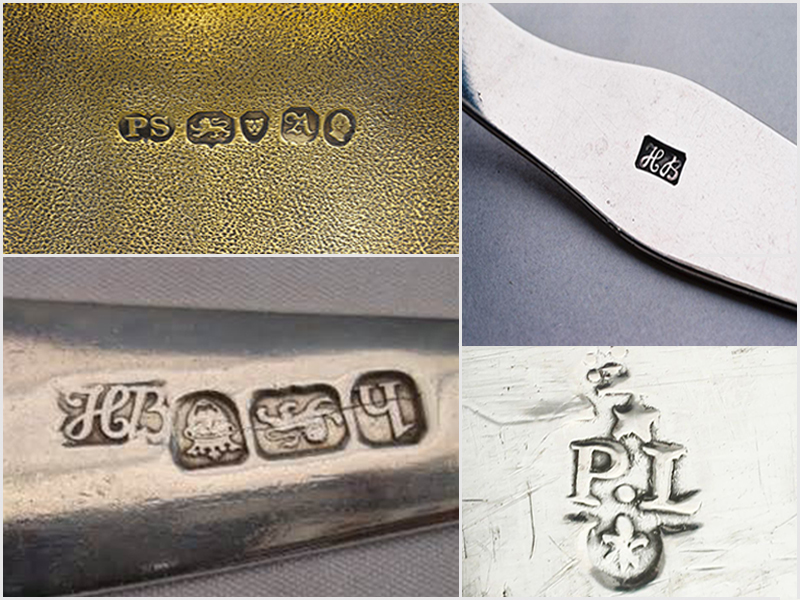
Silversmiths identified their work by marking each piece with their maker’s mark. As their reputations swelled we are well acquainted with some of them today:

Lenox Gorham
Reed and Barton
Tiffany & Co
Whiting

And then there are the names of the silversmith legends that are known for not only producing some of the finest silver pieces; their marks set the standard for collectors all around the world:

Paul de Lamerie
Hester Bateman
Paul Storr

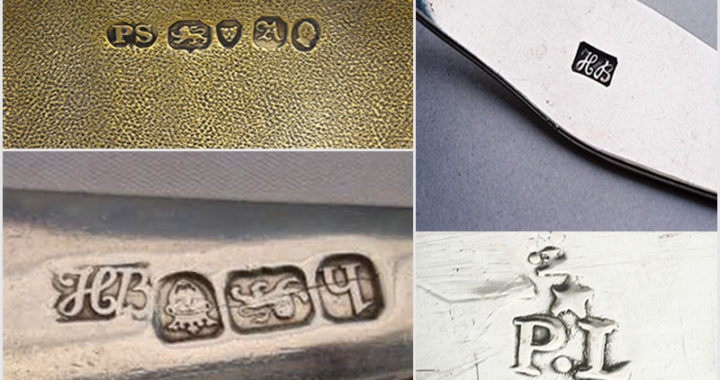
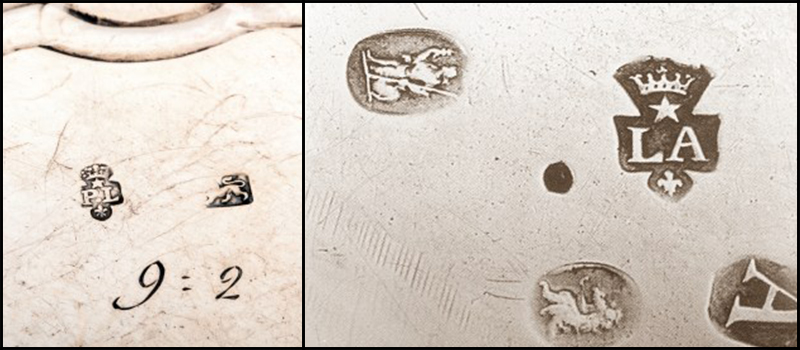
silver flatware stamp

Valuation of Antique Sterling Silver Flatware Marks

In addition to Makers’ marks, there are many other marks that tell the story of each piece or set of flatware and help to determine its worth much like art is today. Many of the famous names in sterling silver craftsmanship established their own firms to continue on their legacies. Complete sets from one of these firms may bring more at auction or individual, highly sought after pieces handcrafted from Gorham himself may bring the higher dollar value.

It all depends on the makers’ marks in addition to marks that are rarer than others. Some marks were only used for a short period of time. As a result, there are fewer pieces in circulation. Some pieces were also stamped with a duty mark to show taxes were paid on the piece, as silver pieces were seen as minted currency throughout much of history and subject to taxation. Pieces stamped more than once are considered rarer and hold more value.

Valuation of Antique Sterling Silver Flatware

Other factors include pieces that no longer have a place in our society such as a fork specifically for nuts or a stuffing spoon. With some sets containing hundreds of pieces compared to our modern 20 piece sets, it is hard to imagine what all the pieces were used for yet to a collector, each piece is significant.

The display of marks on sterling silver flatware can be as diverse as the designs themselves and include much more information than just who made it. It takes a devoted professional to identify and valuate each piece or set. If you have any flatware you would want to know more about, we are always happy to take a look and let you know if your items are worth appraising.

Tips on How to Care for your Antique and Vintage Silver Flatware Sets

Caring for your antique sterling silver flatware isn’t that difficult, but it is something you have to make sure you do. Otherwise, your silver may tarnish or be damaged in other ways. Here are a few tips that will help you keep your silver looking amazing.

Clean Silver

Use Your Silver

The first tip for caring for a set of silver flatware is one that surprises some people: use it. If you regularly use your silver, you’ll notice when it needs cleaning. If, on the other hand, you leave it in a drawer and only take it out for a special occasion every now and then, it has a lot of time to tarnish. Silver flatware collectors understand that silver was meant to be used, and they keep some of their sets in the kitchen for regular use.

Do the Dishes Promptly

It’s important that you clean your silver flatware after using it. If you let it sit, especially if it sits in water or has food on it, it can begin to tarnish quickly. Rinse it off using hot water after using it and dry it off before you put it away. To make sure you don’t decrease your antique flatware worth, only use a mild dish detergent and don’t leave it to soak in water.

Be Careful what You Wrap it in

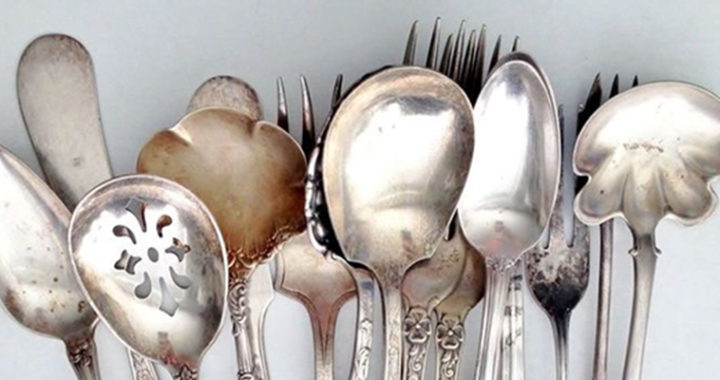
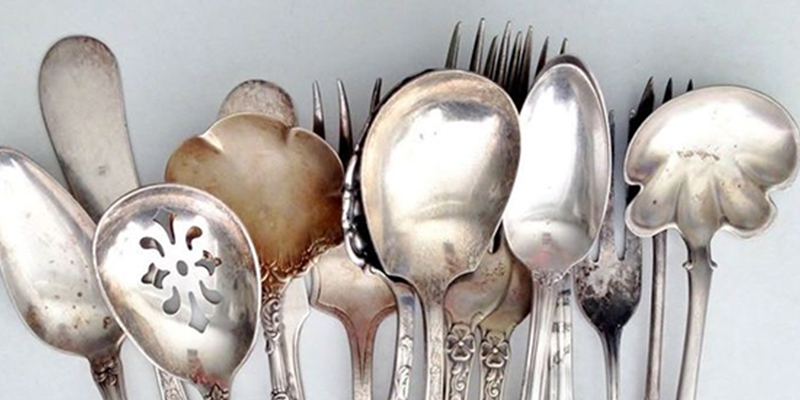
If you’re only using your flatware every now and then instead of daily, make sure you store it in a flannel bag or a box that is lined with flannel. This will help prevent your antique silver flatware patterns from being scratched or damaged. You also want to make sure you never wrap silver in anything that contains a lot of sulfur. It can turn the silver black if you do. You also want to avoid wrapping silver in newspaper or plastic or using rubber bands to hold pieces together.

Set of Silver Flatware

Antique Silver & Vintage Silver – Differences you need to know before you look to sell?

Do you know the different between an antique silver flatware set and a vintage silver set? Unfortunately, many people assume that the terms “antique” and “vintage” are interchangeable. They aren’t, and the difference between the two can be a very large sum of money. You need to know how antique differs from vintage before you sell your silver flatware.

antique silver vs vintage silver


Flatware Has a Long History

Sterling silver flatware sets have been around for centuries. This means the idea of what’s an antique is different than it is for other things. For example, the Antique Automobile Club of America considered a car to be an antique if it’s 25 years old. That’s definitely not true of silver!

Set of Silver Flatware

There’s Not a Set Standard

One thing antique silver flatware buyers often try to do is convince those who aren’t collectors that their flatware isn’t old enough to be considered an antique. The reason why this is fairly easy to do is because there’s no set standard of when flatware becomes an antique. It can also depend on the flatware manufacturer, the country it was made in, and more.

A Helpful Definition

While there’s no set standard, many people do follow a common scale for judging flatware. If it was made after 1950, it’s definitely not antique or vintage—it’s a set of modern flatware. For sets made prior to 1950 but after 1900, give or take a decade or two, vintage is usually the term used. If you have true antique silver flatware for sale, it should have been made before 1900.

How it Affects the Value

Obviously, the older the flatware is, the more valuable it can be. An antique set of silver flatware that can be dated to the 1850s is more valuable than a vintage set from the 1920s. Of course, condition and whether or not you have the full set does play a part in the value. Overall, though, older silver generally fetches a higher price.

What Makes Antique Silver Flatware Valuable?

It is a well-known fact that some of the most resourceful things in history were created in ancient eras. Through the use of colors and patterns, the people of that time portrayed their culture in their work. And only God knows what kind of rare metals they utilized in their artistry to ensure the longevity of the finished products. Antique silver flatware would be a perfect illustration of this type of scenario. These silver metal flatware items from years ago still stand out from the standard creations of the current era.

And as we are all aware, many people now consider antiques to be a form of asset or investment. Nowadays, owning antiques is seen as a status symbol, and people can profit by selling them to antique collectors for higher prices.

Silver Flatware

How To Get Higher Returns On Antique Silver Flatware?

If you own any antique silverware and are searching for a “reliable antique silver buyer near me,” don’t worry; I’m here to assist you in determining how to sell your antique silverware for the highest possible price.

Here are some suggestions for how to sell used flatware for the highest price:

Origin & Cultural significance

The origin and cultural significance of an antique are two of the most crucial elements that influence its value. Its history represents what makes it exceptional.

Condition

The condition is also an extremely important component. It’s crucial that the items are in good shape, because if they aren’t, it may be very challenging to sell them for a good price. It is clear that no buyer would want to invest in damaged or broken pieces. Perhaps broken pieces can be traded if the antiques are extremely rare and old—that’s when they will fetch high prices.

Hallmark

Since silver is one of the most valuable metals and every item made from it is hallmarked, items bearing a hallmark are generally considered to be more credible and, therefore, better purchases by consumers. As a result, silverware that has been stamped or hallmarked can be sold for more profit.

Rarity

Not to mention, when selling antique silverware, the item’s rarity has a significant impact on price. You can anticipate making more money on the sale of a rare or exotic item. As a result, it’s critical that you sort your silverware according to how rare it is and quote a price at which you’d be willing to sell it.

Final thoughts!

By using these recommendations, you can sell your old and vintage silver flatware for a profit. It’s a great way to make money while you’re at home by simply selling some old items that might not be useful to you any longer, but on the other hand, they might be very valuable to someone like an antique silverware collectors out there.

Sterling Silver

A Guide to Help You Evaluate Antique Sterling Silver Flatware

Antique silver flatware is one of the most popular collectible antiques in the world. Due to the popularity of antique silver flatware for sale, it can be difficult for non-informed antique silver flatware buyers to properly evaluate the value of their antique sterling silver flatware. The following is an essential guide that will help antique silver flatware buyers and sellers determine the value of their sterling silver flatware. Explore our sterling silver flatware value guide for expert insights!

Sterling Silver

Step One: Is It Authentic Sterling Silver?

The first thing you need to evaluate is the type of silver used on the item. There are two types of silver that you will find on antique flatware: silver plate and sterling silver. Silver plate was made with a silver coating on top of a different base metal; this method was typically used to provide a silver appearance at a lower cost. Sterling silver is silver branded with the Sterling stamp; the Sterling stamp is a guarantee that the silver is either completely pure or made with .925 silver and .075 added copper.

In the United States, Sterling is easy to identify via the stamps which were present on all Sterling flatware made after 1850: this includes “Sterling,” “.925” and “925/100.” If your silver piece does not have any of these marks, then it is either very old (prior to 1850) or it is fake.

Step Two: Identify the Manufacturer and Pattern

If you already know the manufacturer, you will likely be able to find the pattern used for the silver piece fairly easily by searching for the manufacturer, date and general description of the object. If you don’t yet know the manufacturer, you will need to look for hallmark stamps that can indicate which company produced the antique sterling silver flatware in your passions.

Once you have identified the manufacturer, it’s time to begin looking for the silver flatware pattern. The pattern, like the manufacturer, can have a significant impact on the ultimate value of your item.

Step Three: Assess the Condition

The value of your antique sterling silver flatware can also be influenced by the condition of the flatware in question. If the silver has lots of scratches, dings or various types of discoloration, then the ultimately value is likely to be lower than silver flatware which is in more pristine condition. If the silver is relatively pristine, considering its age, then the value will be higher than scratched and ding-up flatware. And don’t forget about the condition of accessories such as footwear, socks, and other small yet crucial details.

Final Thoughts

You may not be able to tell the exact value of your sterling silver object (or objects) without outside assistance—in other words, an appraisal of some kind that will provide a more definite guideline for what you should be charging for your final thoughts. In cases where you are having trouble identifying hallmarks and other characteristics which can help define and value your antique silver flatware, consult with local dealers about options for identification and assessment. Ensure you get the most accurate value of sterling silver flatware with professional guidance.

Antique Silver Flatware

Antique Silverware Appraisal Near Me: Know What’s the Current price of Silver Flatware

If you’ve inherited a set of sterling silver flatware, you may be interested in knowing what its current market value is. While prices do vary from set to set and region to region, there is some basic information you can use to determine how much your silver flatware is worth. Remember, though, that there is a difference between the actual market value of a set of flatware and what someone is willing to pay for it. In some cases, you may be able to get more money for a set of flatware, but in other cases, you may have to take less if you want to quickly sell it.
Antique Silverware Appraisal Near Me

Sentimental Verses Actual Value

Sadly, antique silver flatware patterns are only worth sentimental value. This means that the silver isn’t sterling, nor is it plated. Instead, the silver layer is incredibly thin and not really worth much of anything. That’s why it’s important to look over all of the silver pieces you have for marks that indicate how pure the silver is. You want to find numbers indicating that your silver is at least 92.5% pure, which is the minimum amount required for it to be classified as silver. You also want to make sure it’s not silver plated. Modern silver pieces use very thin layers of silver, so they aren’t actually worth that much.

Determining the Price of Your Collection

In order to determine what your pieces would be worth to silver flatware collectors, you can do a few different things. The first is to try to determine what silver pattern you have and when your silver was made. Silver flatware was first made during the 12th century in England. If you can find silver marks that indicate your flatware was made during this time, you definitely have something special. In this case, collectors and even museums may be interested in purchasing your collection.

Many other silver sets and items were made during the mid-1800s. During this time, the Industrial Revolution was responsible for an economic boom. Many families wanted to show off their fortunate, so they purchased sets of silver. This led to more silver companies producing various beautiful, ornate pieces. However, it wasn’t long after that the Great Depression brought the silver trade to a halt. You’ll find that the antique flatware worth of later sets isn’t as much since it was mostly covered in silver plating so as to be more affordable.

Check Prices and Get an Appraisal

Once you’ve determined when your silver was made, you can look online to see what similar pieces or collections have sold for. This will give you a ballpark idea about what you can get for your set. Some silver sets are sound per piece (indicated by pp by the price), while complete sets may actually be sold as one lot.

Another way of learning the current market value of your pieces is to take them to an appraiser. These experts will be able to give you a good idea of what your personal silver flatware is worth. They will take into account any damage or missing pieces your set may have in order to give you the most accurate estimate.

A Great Way to Sell the Family Silver Flatware for Big Bucks with Some Easy DIY Solutions

A Great Way to Sell the Family Silver Flatware for Big Bucks with Some Easy DIY Solutions

Selling your antique silver flatware can be a source of extra money when you really need it, but you want to make certain that you maximize your profits. If you’re selling sterling silver flatware, you can only sell your flatware once, of course, so you want to be sure you get as much for it as you can. Before you begin the selling process, there are a few DIY solutions you can do to make sure you truly get the most out of your silver.

A Great Way to Sell the Family Silver Flatware for Big Bucks with Some Easy DIY Solutions

Know Its Worth

Before you post your antique silver flatware for sale, it’s a good idea to have a rough estimate of what it’s really worth. That way, you won’t sell it for less than you should. This means doing some research into any markings on the pieces to determine the manufacturer, the year of manufacture, and if the items are sterling (92.5% silver) or simply silver plated. You can find some of this information online, or you can take your items to a silver appraiser. Either way, learn as much as you can about your set as possible since you may also need to answer questions potential buyers will have.

Clean Up Your Silver

Before you start looking for antique silver flatware buyers, you want to make sure your silver items look their best. There are a number of different DIY methods you can use to make your pieces shine. One of the most common recipes used to clean silver without spending a lot of money on expensive silver cleaner involves aluminum foil, water, and baking soda. Simply boil the water, add in a tablespoon of your baking soda, and then place some aluminum foil in the pot. Drop the piece of silver in so that it comes into contact with the aluminum foil. After about ten seconds or so, pull it out using a pair of kitchen tongs. You should see that most of the tarnish is gone!

If you have a piece that has more tarnish on it, you may need to create a paste out of two tablespoons of water and about a fourth of a cup of baking soda. Apply this mixture using a damp sponge. Let it set for a few seconds, then rinse it off and pat the piece dry. Your sterling silver flatware sets should be tarnish-free in no time with these simple DIY cleaners.

A Few Other DIY Polishers

If you want to polish up your silverware before you try to sell it, you can use a few common household items. Toothpaste and hand sanitizer can both help. Add a few drops of either, then use a soft rag to polish up the pieces. Window cleaner also works. Just be sure you don’t scrub too hard, and never use anything abrasive. A cloth is all you should need.

DIY Selling

Some people do take their antique silverware to auction or sell it through a middleman, but you do have to pay a commission on that. If you’re wondering how to sell sterling silver flatware, instead, you can sell it yourself online. There are a number of auction sites dedicated to selling silver, plus you can always turn to sites such as eBay.