Sterling silver can last for generations, but even high-quality silver will eventually dull or tarnish. The good news is that you can often clean sterling silver at home with simple supplies you already have. This comprehensive guide provides effective and eco-friendly methods to restore the brilliance of your silver items—from baking soda and lemon juice to vinegar and aluminum foil. You’ll discover homemade solutions and techniques to remove tarnish and dirt from sterling silver without the use of harsh chemicals, along with expert tips and step-by-step instructions to ensure safe and efficient cleaning.
Do you have a tarnished sterling silver piece that you are hoping to clean, but don’t want to use any harsh chemicals? If so, you are in luck, as there are several safe and natural ways to clean sterling silver, many of which involve items that you already have in your home.
Table of Contents
- Before You Clean: Identify What You Have
- Why Does Sterling Silver Tarnish?
- Clean with Soap and Water
- Corn Starch Method
- Vinegar Method
- Lemon Juice Method
- Tomato-Based Paste (Ketchup)
- Baking Soda & Aluminum Foil
- Cleaning a Silver Chain
- Cleaning a Silver Ring
- Cleaning Silver Earrings
- Cleaning a Silver Bracelet
- Silver with Gemstones
- Oxidized Sterling Silver
- Sterling Silver Flatware
- Cleaning Antique Silver
- What to Never Use
- Tarnish Prevention
- Sterling Silver Cleaning FAQs
Before You Clean: Identify What You Have
The secret lies in choosing the right cleaner. Very tarnished sterling silver can be treated with methods that aren’t suitable for an antique spoon, a silver-plated tray, an oxidized silver ring, or jewelry containing pearls or turquoise. Therefore, before using baking soda, vinegar, lemon juice, or any other homemade silver cleaner, first identify what you have, then use the mildest appropriate method.
For instance, simple modern sterling silver articles such as basic chains, bracelets, or rings that have not been tarnished can usually be cleaned using mild soap and water or by means of a silver polishing cloth. On the other hand, extra care should be taken when cleaning antique silver, silver-plated items, jewelry set with pearls, opals, or turquoise, objects that have parts glued together, those with an intentionally darkened (oxidized) surface finish, or pieces that are hollow or weighted. If you are unsure, begin with the mildest cleaning method to prevent any damage.
Is It Actually Sterling Silver?
This point is especially important for older or inherited items. Look for marks such as:
- 925
- .925
- Sterling
- Sterling Silver
If an item is labeled 925, it contains 92.5 percent silver. Old silver items may also feature additional hallmarks and maker’s marks. Silver-plated pieces may use markings such as EP, EPNS, Silver Plate, or Electroplate. It would be a mistake to think all silver-colored objects should be cleaned the same way. Silver plate consists of only a layer of silver deposited on top of another metal, and aggressive polishing can ultimately wear through that layer.
Identifying an antique item’s hallmarks before cleaning can reveal its maker, age, origin, and value. Learn more in our guide to what exactly sterling silver is.
Choose Your Silver Cleaning Method
| Type of Silver Item | Recommended Method | Avoid |
|---|---|---|
| Everyday sterling silver jewelry | Mild soap + warm water | Harsh chemicals |
| Sterling silver chain | Soap + soft brush | Hard scrubbing |
| Lightly tarnished sterling silver | Polishing cloth | Abrasive cleaners |
| Heavily tarnished plain sterling | Baking soda + foil, when appropriate | Using on delicate pieces |
| Sterling ring without stones | Soap/water or polishing cloth | Rough abrasives |
| Jewelry with gemstones | Mild cleaning appropriate to the stone | Soaking unknown stones |
| Silver-plated item | Very gentle cleaning | Aggressive polishing |
| Oxidized silver | Soft dry/damp cloth | Tarnish-removal treatments |
| Antique silver | Conservative cleaning | Aggressive DIY methods |
| Unknown or valuable silver | Professional evaluation | Experimenting |
The rule is simple: start gently, and only increase the cleaning power when you are sure the object can withstand it.
Why Does Sterling Silver Tarnish?
Tarnish is unlike ordinary dirt. Sterling silver consists of 92.5 percent silver and 7.5 percent other metals, most often copper; that’s why it is usually marked 925. Since pure silver is rather soft, it is made more durable when it is alloyed with another metal for use in jewelry, flatware, and decorative items.
Silver also reacts with sulfur-containing compounds in its surroundings, forming silver sulfide, the dark surface layer we know as tarnish. Tarnish may begin as:
- Slight dullness
- Yellow discoloration
- Brown areas
- Gray patches
- Dark or black tarnish
Humidity, sweat, cosmetics, perfumes, pollution, household chemicals, and incorrect storage can accelerate the process. Tarnished silver isn’t necessarily fake or damaged—in numerous instances, it can be removed. For more background, see our important tips for cleaning your silver and antiques.
How to Clean Sterling Silver with Soap and Water
For routine cleaning, start here. For everyday sterling silver, the best approach is warm water, a little dish soap, and a soft cloth.
What You’ll Need
- Small bowl
- Warm water
- Mild dish soap
- Soft microfiber or lint-free cloth
- Very soft toothbrush for detailed areas
- Clean towel
Step-by-Step Instructions
- Make the cleaning solution: Put warm water in a bowl and add a few drops of mild dish soap. Avoid using harsh detergents.
- Clean the silver: Place the sterling silver in the solution. When cleaning jewelry, gently move the item through the water to dislodge dirt, oils, and residue.
- Clean detailed areas: Use a very soft toothbrush if dirt has collected around chain links, clasps, engraving, decorative details, or ring settings. Don’t scrub aggressively.
- Rinse: Rinse thoroughly with clean water to remove any soap residue.
- Dry completely: Use a soft lint-free cloth to dry the silver immediately. Focus on the chain links and crevices, since moisture can get stuck there.
A silver cloth should be sufficient for slight tarnishing.
Cleaning Sterling Silver with Corn Starch
A quick search of your pantry might find you a great solution to clean your sterling silver. A mixture of cornstarch and water in the form of a paste can make your silver look like new again. Apply the paste with a damp cloth, then let it dry and rub it off with a mildly abrasive towel. If you don’t happen to have any cornstarch at home, cream of tartar could be a suitable substitute.
The usual method involves making a paste, applying it to the surface, allowing it to dry and then buffing it away. The problem is that polishing methods involve friction. That is relevant, particularly for silver-plated and antique objects. If you’re cleaning an inexpensive modern sterling object, gentle polishing may be acceptable. If you’re cleaning an antique, don’t assume that more polishing equals better restoration.
Vinegar
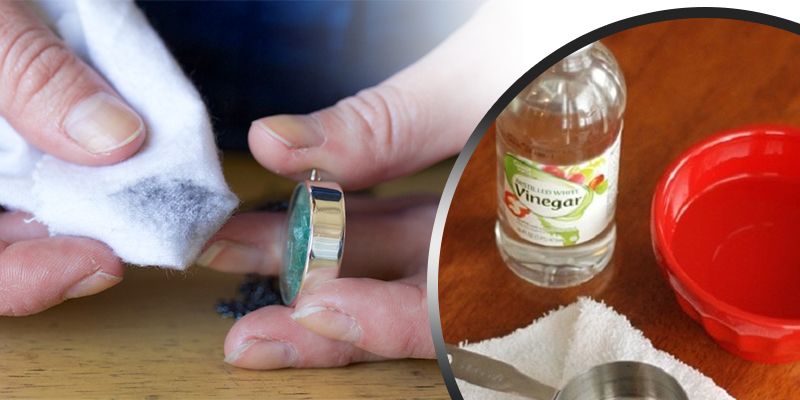
If your sterling silver jewelry or silverware has lost its shine and luster, try soaking it in a solution of ½ cup of white vinegar and 2 tablespoons of baking soda. Allow it to sit for two or three hours, and then remove it and rinse with cold water. Make sure you dry off your piece thoroughly in order to prevent tarnishing.
White vinegar is another popular household silver-cleaning ingredient. You may see recipes that combine white vinegar, baking soda, and water and soak silver for an extended period. These methods can work on appropriate plain sterling silver, but vinegar is acidic. That means it should not be treated as a universal cleaning solution. Avoid soaking jewelry containing unknown or delicate gemstones, antique finishes, or other sensitive materials in vinegar. If you’re unsure what the piece contains, start with soap and water instead.
Lemon Juice
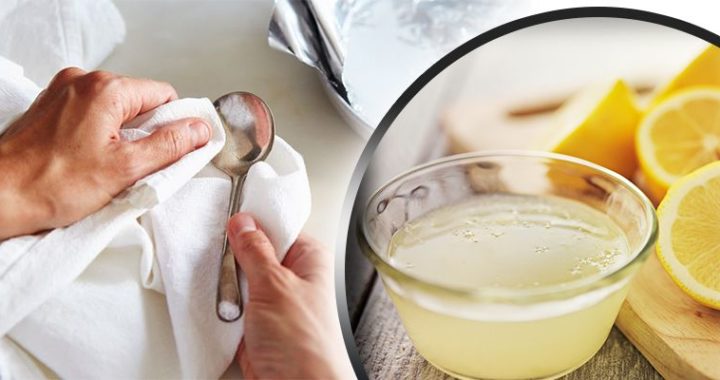
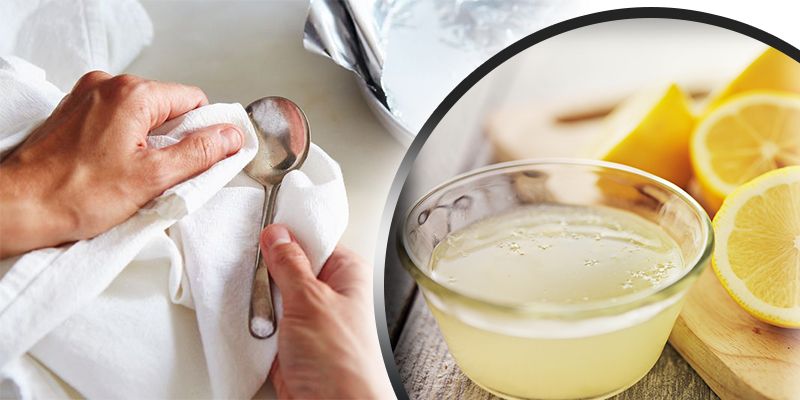
If you want your silver to sparkle, a mixture of one tablespoon lemon juice with 1½ cups of water and ½ cup of instant dry milk can be a good option. The end result will be silver pieces that shine, all without the use of chemicals or store-bought solutions. Not only is it a good option for silver jewelry, but the lemon solution can also be beneficial for rusty knives and other silver pieces.
Lemon juice appears in many natural silver-cleaning recipes because it’s acidic. Older homemade methods sometimes combine lemon juice with water or other household ingredients. Acidic solutions can remove surface buildup, but they aren’t automatically safe just because they’re natural. Use extra caution with antique silver, silver plate, gemstone jewelry, pearls, and delicate finishes. For everyday dirt, soap and water are still the safest first step.
Tomato-Based Paste (Ketchup)
Tomato-based pastes like ketchup are a good way to help restore your silver pieces back to their former glory. Use a small bowl and fill it up with ketchup, and then dunk in your silver piece of jewelry. To scrub the piece, use a toothbrush, as this can help to clean the areas that are hard to reach. You should only leave the ketchup on for a couple of minutes, and then use water to rinse it. A microfiber cloth is a good option for the final polish.
Ketchup is one of the more unusual homemade silver-cleaning recommendations. Its acidity is why it appears in DIY cleaning advice. However, we wouldn’t make ketchup your first choice for valuable sterling silver or antiques. A household hack isn’t automatically safer than a purpose-designed method.
Baking Soda and Aluminum Foil
Sterling silver will react with moisture in order to create a layer of tarnish. Baking soda that is activated by hot water can dislodge this tarnish when aluminum is present, leaving your jewelry shiny and clean once again. This method differs from simply rubbing silver with an abrasive powder because it involves a chemical reaction between the tarnish and aluminum.
What You’ll Need
- Non-metal bowl
- Aluminum foil
- Baking soda
- Hot water
- Soft cloth
- Tongs or another suitable utensil
Instructions
- Line the bowl with aluminum foil.
- Place the sterling silver on the foil.
- Add a tablespoon of baking soda.
- Carefully add hot water—enough that your sterling silver piece can be completely submerged.
- Allow the reaction to work on the tarnish. Use a plastic or wood utensil to move the item around so that all surfaces will contact the aluminum.
- Remove the silver carefully.
- Rinse it thoroughly.
- Dry it completely.
- Gently buff with a soft cloth if needed.
If there is a considerable amount of tarnish on plain modern sterling silver without gemstones, and you are not using plating, glue, or deliberately oxidized details, you can consider the baking soda and aluminum foil method.
When NOT to Use the Baking Soda and Foil Method
Don’t automatically use it on:
- Antique silver
- Silver-plated pieces
- Pearls
- Turquoise
- Opals
- Jewelry with unknown gemstones
- Intentionally oxidized silver
- Hollow or weighted objects
- Glued components
- Pieces with delicate finishes
If you’re uncertain, choose a gentler cleaning method.
Can You Clean Sterling Silver with Baking Soda Alone?
Baking soda is often suggested as a DIY silver cleaner. However, there is an important difference between using baking soda as part of an electrochemical foil treatment and rubbing baking soda directly onto silver as an abrasive paste. Silver is relatively soft. Aggressively rubbing the surface with abrasive materials can cause fine scratches and gradually wear it down. For valuable silver, the goal isn’t simply to make the piece as shiny as possible—it’s to remove unwanted dirt or tarnish while retaining as much of the original surface as possible.
How to Clean a Sterling Silver Chain at Home
Chains need their own cleaning instructions because dirt and tarnish build up between the links. It is also a major search topic for people trying to clean sterling silver at home.
- Take warm water and add a little mild dish soap.
- Let a suitable plain sterling silver chain soak for a short time.
- Use a very soft toothbrush to gently clean between links, around the clasp, around jump rings, and textured areas.
- Rinse the chain well and make sure it is completely dry.
- When drying delicate chains, lay them flat instead of pulling or stretching them.
- A polishing cloth can be used to restore the shine of the surface.
What Should I Do If My Sterling Silver Chain Has Turned Black?
Black discoloration usually means more tarnish. Start by using plain soap and water to remove oils and dirt. If the black color remains, you have tarnish, not ordinary grime. A sterling silver chain with no stones, no coatings, or deliberately darkened parts may need a stronger method to remove tarnish. Don’t immediately reach for aggressive treatments just because the chain is antique, plated, set with gemstones, or valuable.
How to Clean a Sterling Silver Ring
Silver rings pick up skin oils, soap, lotions, and dirt faster than most other kinds of jewelry. For a plain sterling silver ring:
- Mix some mild soap with warm water.
- Soak the ring briefly.
- Use a soft toothbrush around the engravings and inside the band.
- Rinse thoroughly.
- Dry completely.
- If necessary, finish using an appropriate polishing cloth.
How to Clean Sterling Silver Earrings
Earrings pick up skin oils, cosmetics, and hair products, especially around the posts, backs, and hooks. For plain sterling silver earrings:
- Prepare warm, soapy water.
- Gently clean the silver.
- Focus on the posts, hooks, and earring backs.
- Rinse thoroughly.
- Dry completely.
When earrings include pearls, turquoise, opals, glued parts, or other delicate materials, extra care should be taken.
How to Clean a Sterling Silver Bracelet
For a simple sterling silver bracelet, start with warm, soapy water. Use a soft cloth for smooth surfaces and a soft toothbrush for links, charms, clasps, and engraved areas. When a bracelet is made of several different materials, it is not reasonable to assume that a cleaning method safe for sterling silver will also be safe for every stone, enamel, or decorative element.
How to Clean Sterling Silver with Gemstones
This scenario is one situation where generic DIY cleaning advice becomes risky. Some gemstones tolerate mild soap and water relatively well. Others are sensitive to heat, acids, prolonged soaking, chemicals, or ultrasonic cleaning.
Be particularly cautious when cleaning porous or delicate materials, such as:
- Pearls
- Opals
- Turquoise
- Amber
If you cannot confidently identify the gemstone, don’t experiment with baking soda, vinegar, or other strong DIY methods. Either use gentle surface cleaning or ask a jeweler for advice.
How to Clean Oxidized Sterling Silver
Not every dark area on silver is unwanted tarnish. Some jewelry is intentionally oxidized so recessed areas appear dark and decorative details stand out. Aggressive polishing or tarnish removal can strip that finish away. For intentionally oxidized silver, use a gentle dry or slightly damp cloth unless the maker provides different care instructions. Don’t try to make every blackened area bright silver.
How to Clean Sterling Silver Flatware
Sterling silver flatware often develops tarnish while in storage. For routine cleaning:
- Wash appropriate sterling flatware in warm water with mild dish soap.
- Rinse thoroughly.
- Dry immediately.
- Use a suitable silver polish only when needed.
Don’t leave silverware wet. And before aggressively polishing an older set, determine whether it is sterling or silver plate.
How to Clean Antique Silver
Antique silver requires a different mindset from everyday jewelry. A brand-new sterling chain is usually cleaned because the owner wants maximum shine. An antique silver object may have:
- Original patina
- Historic surface characteristics
- Thin plating
- Engraving
- Maker’s marks
- Delicate solder
- Wooden or ivory components
- Weighted construction
- Collector value
Over-cleaning can alter those characteristics.
Should You Remove Patina from Antique Silver?
Not necessarily. Darkening in recessed decorative areas can make an antique design easier to see and may be part of the appearance collectors expect. Polishing everything to a mirror finish isn’t always desirable.
Can Cleaning Reduce the Value of Antique Silver?
Potentially, yes. Collectors don’t judge every piece solely by how shiny it is. Condition, original details, hallmarks, construction, and surface character can matter. Aggressive polishing may soften engraving, decorative details, hallmarks, and edges. Repeated polishing also removes a small amount of metal. If you’re unsure whether an inherited silver piece has value, have it identified before trying strong DIY cleaning techniques. Our guide to identifying sterling silver is a good place to start.
What Should You Never Use on Sterling Silver?
Avoid or use considerable caution with:
- Bleach
- Chlorine
- Abrasive scouring powders
- Steel wool
- Rough brushes
- Harsh household cleaners
- Aggressive toothpaste polishing
- Unverified chemical dips
- Long soaking of unknown antiques
Also avoid mixing household chemicals without knowing how they react. The safest silver-cleaning method isn’t necessarily the strongest.
What About Toothpaste?
You may see toothpaste recommended as a DIY silver polish. We recommend caution. Many toothpastes contain abrasive ingredients designed to polish tooth enamel—not soft precious metal. Those abrasives can leave fine scratches on silver, especially when you rub it repeatedly against polished surfaces. Toothpaste is therefore not our preferred method for sterling silver and should particularly be avoided on valuable pieces, antique silver, silver plate, and highly polished surfaces.
Why Did My Sterling Silver Turn Black?
Black sterling silver usually indicates heavier tarnish. Common contributing factors include:
- Humidity
- Sulfur compounds
- Sweat
- Cosmetics
- Perfume
- Household chemicals
- Chlorine
- Certain storage materials
The black color doesn’t automatically mean the silver is ruined. Start by identifying the piece and then use a cleaning method appropriate to its construction.
Does Sterling Silver Rust?
Sterling silver doesn’t rust like iron. Rust is associated with iron oxidation. Silver develops tarnish, most notably silver sulfide. If a supposedly silver object shows obvious reddish-brown rust, you may be looking at exposed base metal rather than solid sterling silver. That is another reason it helps to identify the object before aggressive cleaning.
How to Keep Sterling Silver from Tarnishing
Cleaning is only half of good silver care. Proper storage can reduce how quickly tarnish returns.
- Keep it dry: Dry silver completely before storing it. Humidity encourages tarnishing.
- Store pieces separately: Keeping jewelry pieces separated helps reduce scratches.
- Limit air exposure: Suitable tarnish-resistant storage materials can reduce exposure to compounds that accelerate tarnish.
- Keep silver away from rubber: Some rubber products contain sulfur compounds that can contribute to tarnishing.
- Apply cosmetics first: Put on lotion, perfume, hairspray, and sunscreen before wearing your silver jewelry.
- Remove silver before swimming: Chlorine and other pool chemicals aren’t friendly to sterling silver.
- Wipe jewelry after wearing it: Wipe it down with a soft cloth to remove skin oils and moisture before storing.
Sterling Silver Cleaning FAQs
What is the best home remedy for cleaning sterling silver?
For routine cleaning, warm water with a small amount of mild dish soap is one of the gentlest options. Stronger homemade methods should be selected according to the type and condition of the silver.
What is the best way to clean sterling silver at home?
Start with mild soap, warm water, and a soft cloth. Rinse thoroughly and dry immediately. If tarnish remains, move to an appropriate polishing or tarnish-removal method.
How do you clean badly tarnished sterling silver?
First, confirm that the object is solid sterling and doesn’t contain delicate gemstones, plating, or intentionally oxidized areas. Plain modern sterling may tolerate stronger tarnish-removal methods, while antiques and composite objects require more caution.
How do you clean sterling silver that has turned black?
Black discoloration is usually heavy tarnish. First, clean off everyday dirt with mild soap and water, then decide whether the item can handle a stronger tarnish-removal method.
Can I use baking soda to clean sterling silver?
Baking soda is widely used to clean silver, especially with aluminum foil. However, rubbing abrasive baking soda paste aggressively over silver can scratch the surface. Don’t assume it is suitable for every piece.
Does vinegar clean sterling silver?
White vinegar appears in many homemade silver-cleaning recipes. Because it is acidic, use it cautiously and avoid soaking delicate gemstones, antiques, or unknown materials.
Can I clean sterling silver without baking soda?
Yes. Mild soap and warm water are a great starting point, and a silver polishing cloth can remove light tarnish.
Can I clean sterling silver without aluminum foil?
Yes. Aluminum foil is used only in one particular tarnish-removal method. Routine cleaning doesn’t require it.
How do I clean a sterling silver necklace?
For a plain necklace, start with warm soapy water and a soft cloth or brush. Clean carefully around links and clasps, rinse thoroughly, and dry completely.
How do I clean a sterling silver ring?
Plain sterling rings can generally be cleaned with warm water, mild soap, and a soft brush. Rings containing gemstones require cleaning appropriate to the particular stones.
How do I clean a sterling silver chain?
Briefly soak an appropriate plain chain in mild soapy water, gently clean between the links with a very soft brush, rinse thoroughly, and dry completely.
How do I make sterling silver shiny again?
First, remove dirt, oils, and residue. Then address remaining tarnish with an appropriate polishing method. Avoid over-polishing, especially with antique or silver-plated objects.
Can badly tarnished silver be restored?
Often, yes. But approach heavy tarnish on antique, plated, or valuable silver carefully, because aggressive cleaning can permanently damage the surface.
Why does sterling silver tarnish so quickly?
Humidity, sulfur compounds, perspiration, cosmetics, chemicals, and storage conditions can all accelerate tarnishing.
Does real sterling silver tarnish?
Yes. Genuine sterling silver can tarnish. Tarnishing alone is not evidence that an item is fake.
Does 925 silver tarnish?
Yes. 925 sterling silver contains 92.5% silver and other alloying metals, and it can naturally develop tarnish.
Can toothpaste clean sterling silver?
Although toothpaste is commonly recommended online, it may contain abrasives that can scratch silver. Gentler methods are preferable.
Can you use hydrogen peroxide on sterling silver?
Don’t assume a household chemical is safe simply because it is commonly available. For routine silver cleaning, start with mild soap and water.
Can you clean sterling silver with Coke?
Acidic household liquids sometimes appear in DIY cleaning advice, but they aren’t necessary for routine sterling silver care. Use a predictable, gentle cleaning method instead.
Should I clean antique silver before selling it?
Not aggressively. If you believe the silver may be collectible or valuable, have it identified first. Removing patina or repeatedly polishing an antique may alter characteristics that matter to collectors and buyers.
Cleaning Silver? Know What You Own Before You Polish It
The most important lesson in learning how to clean sterling silver naturally isn’t finding the strongest homemade cleaner. It’s knowing which cleaning method fits the object in front of you.
For everyday sterling silver jewelry, start with mild soap and warm water. For tarnished plain sterling, you may need additional polishing or tarnish removal. But antique silver, silver plate, oxidized finishes, gemstone-set jewelry, and potentially valuable objects deserve more caution.
If you’ve inherited or found an old silver piece, check its hallmarks before cleaning it aggressively. Those tiny marks may reveal the maker, age, silver content, and history of the object—and could tell you that what looks like an old tarnished piece deserves more than a quick home cleaning. Explore more expert advice in our silver and antiques cleaning guide, and learn what exactly sterling silver is to care for your treasures with confidence.
If you have sterling silver jewelry or antiques, you don’t have to go out and buy an expensive sterling silver cleaner. By using some common and natural household items, you can get the look that you want without spending a fortune.
Visit antiquesilver.org now to explore more guides and keep your silver shining bright the natural way.