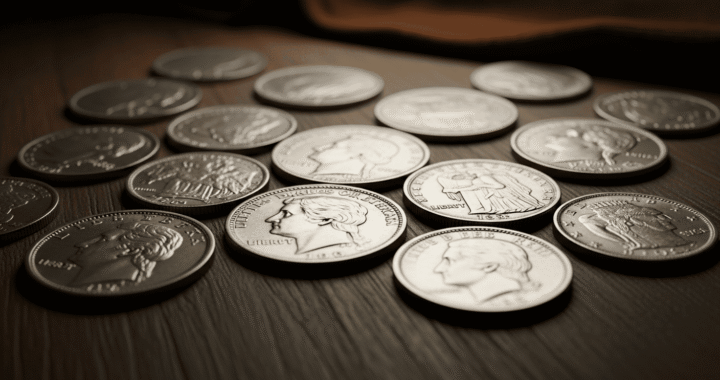
Antique silver coins are recognized as valuable assets, historic artifacts, and prized collector items. A common question arises: “Are silver coins worth anything today?”
Yes, value depends on key factors. This guide explains how to assess antique silver coins and decide to sell or hold.
Having covered the basics, let’s explore why antique silver coins hold lasting value.
Silver coins hold value for two main reasons: metal content and collectible demand.
Silver is precious. Even non-rare coins have melt value, so your coin is worth at least its silver price.
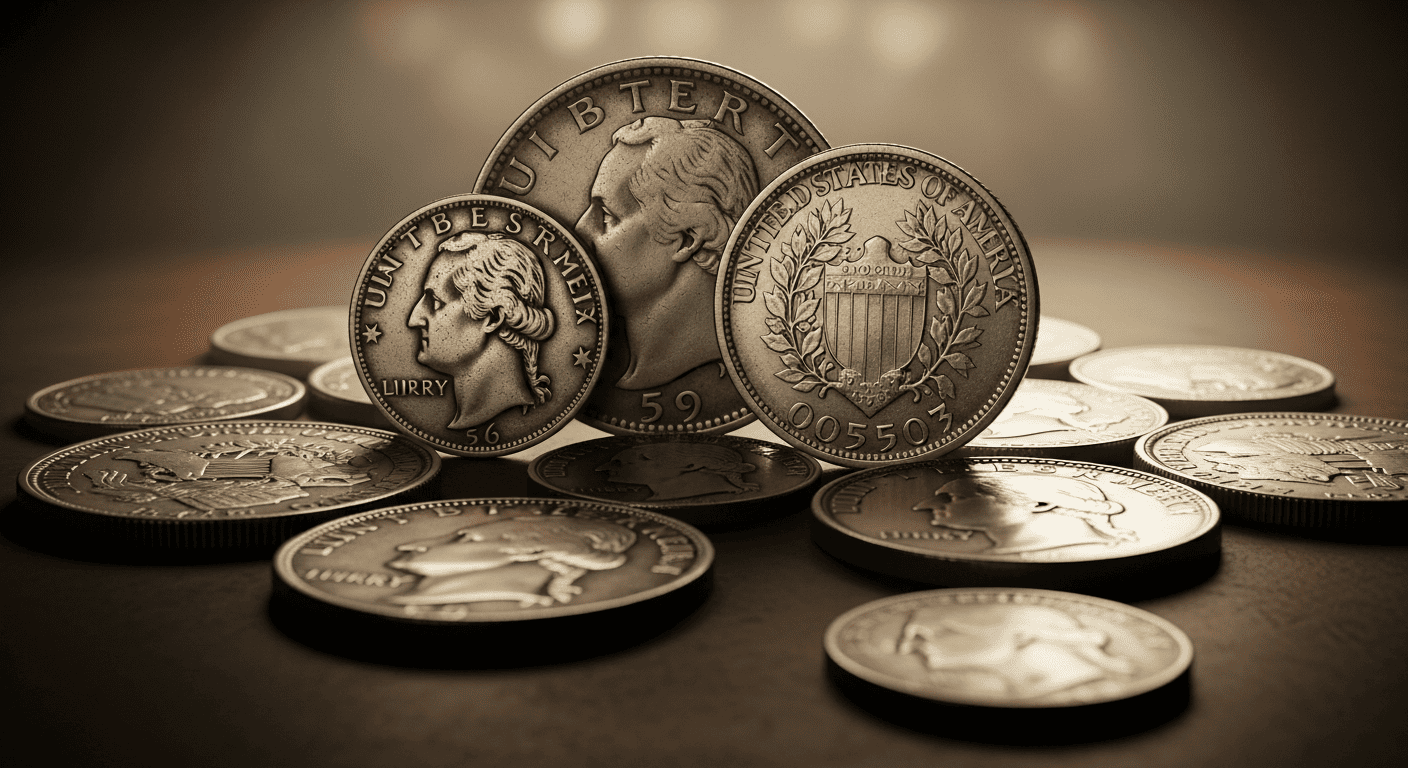
Antique coins have numismatic and historic value. Coins from certain periods, mints, or rare runs can exceed their silver content value, particularly those that are highly sought after by collectors due to their unique characteristics or historical significance.
Coins from the 1800s or early 1900s are often prized for rarity and craftsmanship.
Now that we know why these coins are sought after, let’s address their current worth.
This is a top question—the answer depends on your coin type.
Silver coin values depend on type. Common coins are worth their melt value based on weight and purity. Rare coins are more valuable due to collector demand. Historic coins have high value because of age and significance. For example, a common silver coin may be worth $10–$30, while a rare antique coin could reach hundreds or thousands of dollars.
- Common silver coins → Worth melt value (based on weight and purity)
- Rare coins → Worth significantly more due to collector demand
- Historic coins → High value due to age and significance
A common silver coin may be worth $10–$30; a rare antique coin could be worth hundreds or thousands of dollars.
How to Determine the Value of Antique Silver Coins
If you’re wondering, “What is the value of my silver coins?” consider several important elements. First is silver content or melt value. Older coins usually have silver purity above 90%, which raises their base value. Rarity is important; coins minted in limited numbers or hard to find are more valuable. Condition, assessed through professional grading, also affects value. Historical importance adds value, especially for coins from important periods or events. Finally, market demand among collectors helps raise prices.
1. Silver Content (Melt Value)
Older coins often have high silver purity (usually 90%+), which raises their base value.
2. Rarity
Coins minted in limited numbers or hard to find today are more valuable.
3. Condition (Coin Grading)
Better condition increases value. Professional grading systems help assess worth.
4. Historical Importance
Coins from important historical periods or events often carry additional value.
5. Demand in the Market
Popularity with collectors raises coin prices.
Old Silver Coins Value: Examples
To give you a clearer idea, the value of antique silver coins can vary widely. Pre-1965 US silver coins often exceed face value due to higher silver content. Morgan Silver Dollars range from $30 to over $300, depending on rarity and condition. Ancient silver coins vary even more, largely based on rarity. Remember, prices fluctuate with changes in the silver market and collector demand.
- Ancient silver coins → Value varies largely based on rarity.
Prices are subject to swings driven by changes in the silver market and collector demand.
How to Check If Your Silver Coins Are Valuable
If you have old coins at home, there are several steps to evaluate their value. Begin by checking the date, as older coins are usually more valuable. Look for mint marks, which indicate where the coin was produced. Weighing the coin helps estimate its silver content. Research online or consult catalogs to compare your coins with similar examples. For a precise valuation, consider engaging a qualified professional for an appraisal.
- Check the date – Older coins are usually more valuable.
- Look for mint marks – These indicate where the coin was produced.
- Weigh the coin – Helps estimate silver content.
- Research online or in catalogs—compare with similar coins
- Engage a qualified professional for an appraisal to obtain a precise and credible valuation.
Once you’ve evaluated the coins, you might consider selling them for melt value.
You can sell silver coins based on melt value, especially if they are common. Selling for melt value isn’t always the best approach. Collector coins can fetch higher prices via specialized sales.
Is Antique Silver Worth Investing In?
Another common question is, “Is antique silver worth investing in?”
Generally, yes—if you know the market.
Silver gives several benefits to investors. It acts as a hedge against inflation, provides tangible asset security, and retains value long-term. Antique coins add value through rarity and historical relevance. However, prices fluctuate, so research thoroughly before buying or selling.
Tips for Buying Antique Silver Coins
If you plan to collect or invest in antique silver coins, keep a few tips in mind. Always buy from trusted dealers and verify genuineness and certification. Focus on high-demand coins and diversify your collection to maximize value and interest. Avoid overpaying by researching thoroughly before purchasing.
- Buy from trusted dealers.
- Verify genuineness and certification.
- Focus on high-demand coins.
- Diversify your collection
- Avoid overpaying without proper research.
Where to Sell Antique Silver Coins
If you’re ready to sell antique silver coins, you have several options. Local coin dealers, online marketplaces like eBay or auction sites, antique shops, and coin shows or exhibitions are viable avenues. Each has pros and cons, so choose based on convenience and potential profit.
- Local coin dealers
- Online marketplaces (eBay, auction sites)
- Antique shops
- Coin shows and exhibitions
Each option has its pros and cons, so choose based on convenience and potential profit.
Final Thoughts
Antique silver coins combine history, beauty, and financial value. Knowing their worth is essential whether you collect, invest, or are merely curious. Silver coin values vary, but knowledgeable decisions can unlock hidden wealth.