A Great Way to Sell the Family Silver Flatware for Big Bucks with Some Easy DIY Solutions

A Great Way to Sell the Family Silver Flatware for Big Bucks with Some Easy DIY Solutions

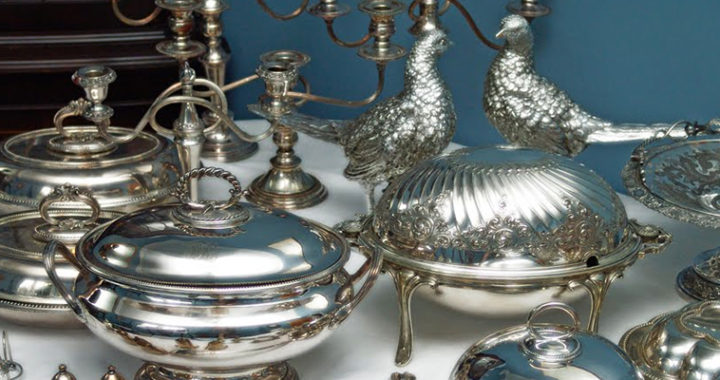
Selling your antique silver flatware can be a source of extra money when you really need it, but you want to make certain that you maximize your profits. If you’re selling sterling silver flatware, you can only sell your flatware once, of course, so you want to be sure you get as much for it as you can. Before you begin the selling process, there are a few DIY solutions you can do to make sure you truly get the most out of your silver.

A Great Way to Sell the Family Silver Flatware for Big Bucks with Some Easy DIY Solutions

Know Its Worth

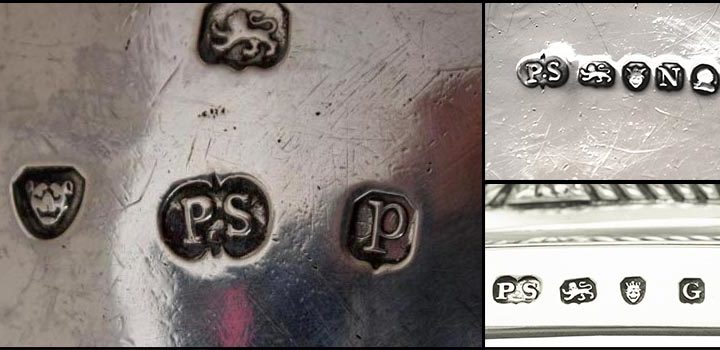
Before you post your antique silver flatware for sale, it’s a good idea to have a rough estimate of what it’s really worth. That way, you won’t sell it for less than you should. This means doing some research into any markings on the pieces to determine the manufacturer, the year of manufacture, and if the items are sterling (92.5% silver) or simply silver plated. You can find some of this information online, or you can take your items to a silver appraiser. Either way, learn as much as you can about your set as possible since you may also need to answer questions potential buyers will have.

Clean Up Your Silver

Before you start looking for antique silver flatware buyers, you want to make sure your silver items look their best. There are a number of different DIY methods you can use to make your pieces shine. One of the most common recipes used to clean silver without spending a lot of money on expensive silver cleaner involves aluminum foil, water, and baking soda. Simply boil the water, add in a tablespoon of your baking soda, and then place some aluminum foil in the pot. Drop the piece of silver in so that it comes into contact with the aluminum foil. After about ten seconds or so, pull it out using a pair of kitchen tongs. You should see that most of the tarnish is gone!

If you have a piece that has more tarnish on it, you may need to create a paste out of two tablespoons of water and about a fourth of a cup of baking soda. Apply this mixture using a damp sponge. Let it set for a few seconds, then rinse it off and pat the piece dry. Your sterling silver flatware sets should be tarnish-free in no time with these simple DIY cleaners.

A Few Other DIY Polishers

If you want to polish up your silverware before you try to sell it, you can use a few common household items. Toothpaste and hand sanitizer can both help. Add a few drops of either, then use a soft rag to polish up the pieces. Window cleaner also works. Just be sure you don’t scrub too hard, and never use anything abrasive. A cloth is all you should need.

DIY Selling

Some people do take their antique silverware to auction or sell it through a middleman, but you do have to pay a commission on that. If you’re wondering how to sell sterling silver flatware, instead, you can sell it yourself online. There are a number of auction sites dedicated to selling silver, plus you can always turn to sites such as eBay.

paul storr

Exploring the Legacy: Profiles of Three Renowned Antique Silver Smith

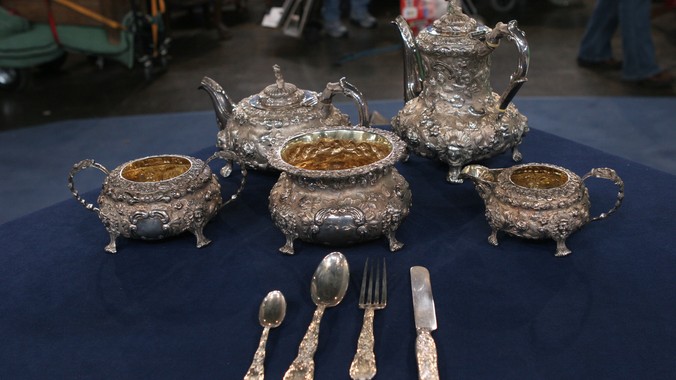
Craftsmen specialize in a trade. They work for many years to perfect their skill and develop their own personal style. Throughout history some craftsmen or craftswomen stand out from the crowd and become famous. The most legendary of silver smiths are Paul Storr, Hester Bateman, and Paul de Lamerie. They had set themselves apart; commissioned to create pieces for some of the wealthiest in history. As a result, their works are still some of the most highly sought after for antique silver buyers and collectors. If you have one of their sterling silver pieces, you have a high value item rooted in a rich history.

Who Was Paul Storr?

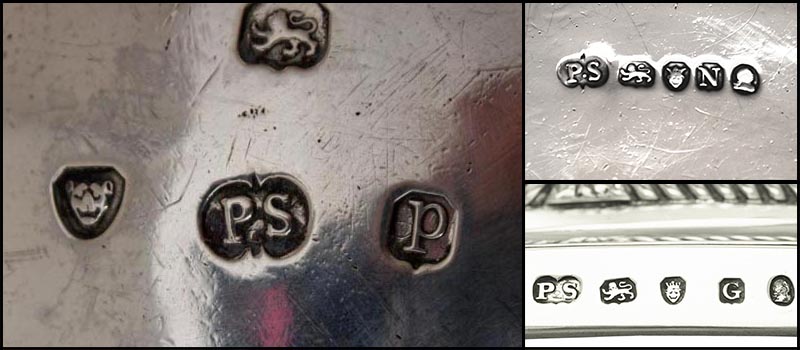
Paul Storr was a protégé. He began his apprenticeship at age 14. Most apprentices are bound to their masters for years, often until the age of 21. At that time, Storr entered a partnership, but quickly began marking with his own personal stamp using his own initials when he was just 21 years old. He was best known for his commemorative pieces and they were always embellished lavishly.
paul storr

During the late 18th Century until his death in 1844, Paul Storr was an accomplished English silversmith who was commissioned by many of the aristocratic society, even King George III. There are around 500 known works of his still around today and each one of them highly prized. To give you a good idea of what his works are actually worth, an unaltered tureen, which is a pot used for serving soup, can go for $70,000 at auction.

Who Was Hester Bateman?

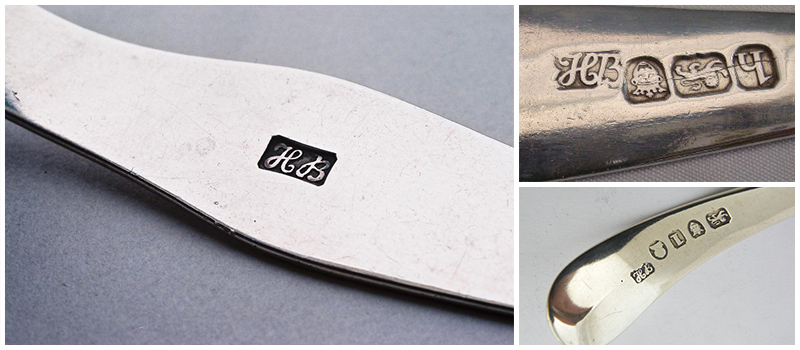
Hester Bateman was also an English silver smith. Her career was from 1761 to 1790. She inherited the precious metal working business from her deceased gold smith husband, but she had great talent herself. And she successfully kept the family company going strong with the help of her sons, grandsons, and even great-grandsons! Unlike most men who would learn their trade through apprenticeship, Bateman learned by watching her husband. Her skill allowed her to be commissioned by many of the large firms in the area, but given that she was a woman and her reputation was spreading fast, they often stamped over her maker’s mark for many of her early years.
Hester Bateman

The last 10 years of her 30 year career proved her identity as a Master Silver Smith and that no one could keep her simply elegant style covered up. There are an estimated 11,000 pieces that were crafted during her career. Most of them she designed and priced with the middle class in mind, something not many silversmiths were doing during that time.

Who Was Paul de Lamerie?

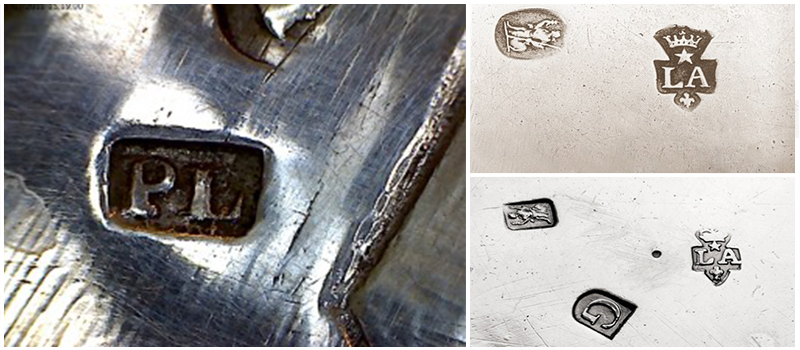
Another one of the English silversmith greats, de Lamerie had an earlier start. Some say he is the “greatest silversmith of the 18th Century”. He came from the Huguenot family, precious metal workers from France who fled to London where Paul got his start. In 1712, he established his own shop. He is known for his exquisitely lavish attention to detail and a personal, intricate version of the French Rococo style.
Paul de Lamerie

His maker’s mark is probably the most highly sought after in antique silver markings. One of his tureens is priced retail right now at $335,000.

If you have a silver piece, you need to know its value. An antique silver dealer will be able to evaluate your item and most importantly tell you if it is antique silver 925. They are able to provide you with the rich history of your piece(s) and conduct appraisals. Even if your item does not carry one of these three silversmith marks, you may still have a very valuable item.

Preserving a Rich Legacy

The artistry of Paul Storr, Hester Bateman, and Paul de Lamerie has left an indelible mark on the world of silversmithing. Their skillful craftsmanship, dedication to their craft, and ability to capture the essence of their times are evident in every piece they created.

Paul Storr’s Signature Touch

Paul Storr’s journey from apprentice to celebrated silversmith was marked by innovation and creativity. His intricate designs and attention to detail earned him a reputation as a master of his trade. His commemorative pieces, often adorned with lavish embellishments, reflected the grandeur of aristocratic society that commissioned them. These pieces not only showcased his exceptional technical skills but also served as tokens of historical significance. Today, owning a Paul Storr sterling silver piece is like holding a tangible piece of history – a testament to the opulence and elegance of the past.

Hester Bateman’s Legacy of Excellence

Hester Bateman’s story is one of resilience and determination. In an era when female artisans were often overshadowed, she defied expectations and emerged as a prominent figure in the world of silversmithing. Learning her craft by observing her husband’s work, she transformed her inherited business into a flourishing enterprise. Despite challenges and gender biases, her elegant designs and quality craftsmanship earned her recognition among large firms and patrons. Her journey highlights the power of talent and perseverance, and her legacy lives on through the numerous pieces she created, catering to the tastes of the middle class.

Paul de Lamerie’s Masterful Creations

Paul de Lamerie’s intricate and lavish designs have solidified his position as one of the greatest silversmiths of the 18th century. His mastery of the French Rococo style and meticulous attention to detail set his work apart. The Huguenot heritage that he brought to London enriched the city’s silversmithing tradition, and his creations reflected a fusion of influences. The rarity and desirability of his maker’s mark showcase his lasting impact on antique silver collections. Each of his pieces is a window into a world of luxury and refinement, capturing the essence of a bygone era.

Discovering the Worth of Your Treasure

If you are fortunate enough to possess a silver piece attributed to Paul Storr, Hester Bateman, or Paul de Lamerie, you hold a treasure of historical and artistic value. The craftsmanship of these legendary silversmiths has stood the test of time, and their works continue to captivate collectors, historians, and enthusiasts alike. If you wish to unveil the true worth of your silver piece, seeking the expertise of an antique silver dealer is invaluable. These experts can provide not only an appraisal of its monetary value but also insights into its historical context and significance. While pieces bearing the marks of these master silversmiths are especially sought after, even if your item doesn’t carry their marks, it could still hold considerable value based on its craftsmanship, design, and era. Owning a sterling silver piece by Paul Storr, Hester Bateman, or Paul de Lamerie is akin to holding a piece of art and history in your hands. Their legacies continue to shine brightly, and each of their creations is a testament to the enduring appeal of exquisite craftsmanship.
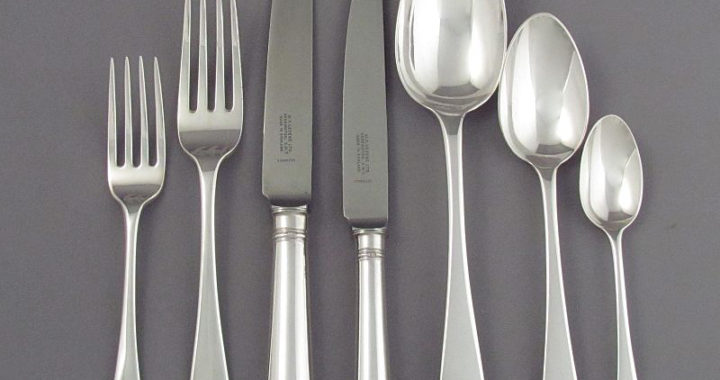
image of baking soda

Cleaning Silver Trays – Basic Guide to Cleaning and Caring for Silver Trays with Stuff from Your Kitchen

Silver trays can look gorgeous. The finely etched pattern makes them the centerpiece of almost any table setting. But what do you do when these silver trays get tarnished? You can either run out and buy expensive silver cleaning products, or you can use a few things you likely already have in your own kitchen. Silver trays dealers around the world use these little DIY tips and tricks to keep their silver looking great without spending a lot of money.

Dish Soap

You may be able to remove some light tarnish simply by dipping the tray into warm (not hot) water combined with standard dish soap. You only need a few drops, so don’t go overboard or you may risk damaging the tray. Make sure that the soap is fully diluted in the water, too. Then dip your tray in, pull it out, and dry it off with a soft cloth.

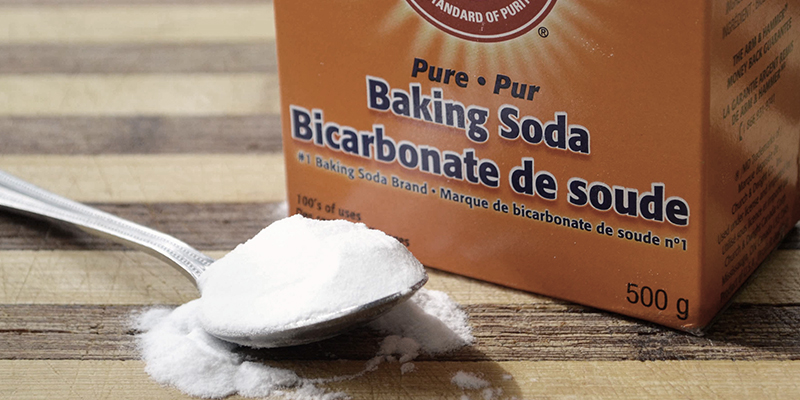
Aluminum Foil and Baking Soda

One of the easiest methods for cleaning antique silver plated trays involves four basic ingredients from your kitchen. All you need is a tablespoon of baking soda, a tablespoon of salt, a sheet of aluminum foil, and two cups boiling water. Line a pot, baking dish, or even your sink with the aluminum foil. Mix in the baking soda, salt, and hot water. Then add in your silver tray. Let it sit for a minute or two, then carefully pull it out with kitchen tongs. A very large amount, if not all, of the tarnish will have transferred from the tray to the aluminum foil!

image of baking soda

Ketchup

While some people aren’t as fond of this method, others swear by ketchup. Just squirt some of this condiment onto a paper towel and gently rub at the tarnished areas of your antique sterling silver trays. You might be surprised at how much of the tarnish comes off! For trays that are heavily tarnished, you can leave the ketchup on for about 15 minutes. You can also use a soft bristle toothbrush to clean tarnish out of crevices. Rinse the tray off with warm water and dry with a soft cloth once you’ve got the tarnish off.

Cornstarch

Another common kitchen ingredient you can use to clean tarnished silver trays is cornstarch. Mix a little cornstarch with water to create a paste. Then apply that paste to the tarnished area and let it sit until it’s dry. Once it is, rub it off with a towel or cheesecloth. If you don’t have any cornstarch handy, you can use cream of tartar.

Lemon-Lime Soda

image of generic lemon lime soda

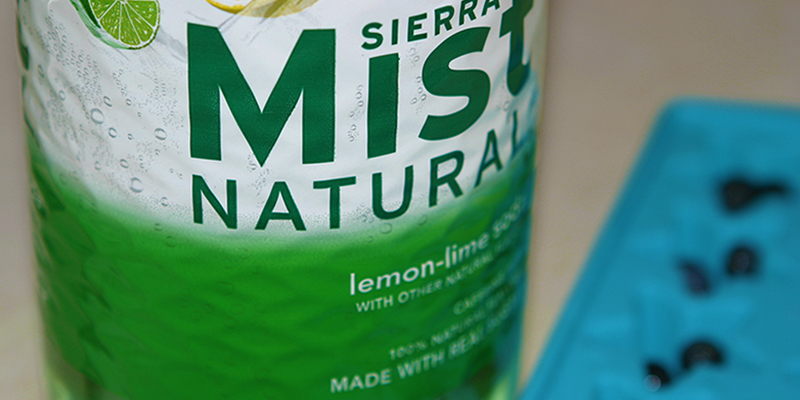
Another common item you can use to clean your items before showing them to potential silver trays buyers is any type of lemon-lime soda. You can let your trays sit in a bowl of this soda for about an hour. Then remove the tray and rinse it clean. A good amount of the tarnish will rinse right off. Pat the tray dry with a soft cloth and you’re ready to sell it.

reed_and_barton

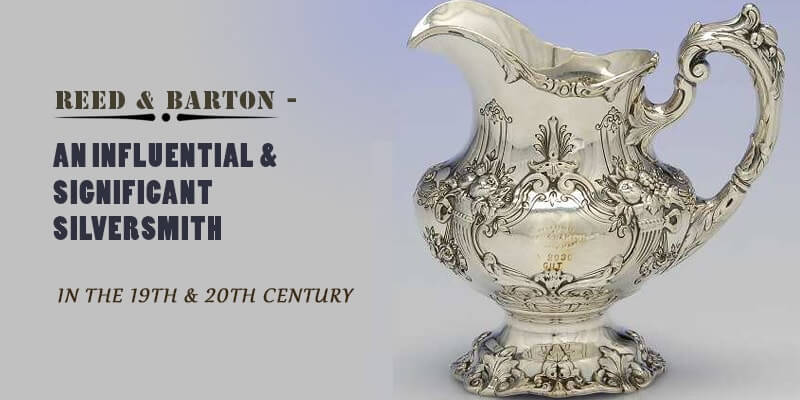
Reed & Barton – An influential and significant silversmith in the 19th & 20th century

Reed and Barton was a famous silversmith that has had a substantial impact on the silver industry in the 19th and 20th century. The company opened its doors in 1824 when Henry G. Reed and his business partner Charles E. Barton purchased the failing company owned by Isaac Babbitt. This company, Babbitt & Crossman, produced Britannia ware using a material similar to pewter. They later moved into dealing with gold and, eventually, silver. However, their company in Taunton, Massachusetts, was slowly losing money, so the two sold it to Reed and Barton.

reed_and_barton

Early Success in the 1800s

By the end of the 1840s, Reed and Barton silver patterns were fairly popular, and the company had gained a reputation as a plated-silverware business. During the next decade, the company ended up selling a number of unplated items, including trays, bowls, and pitchers, to another company. This company, Rogers Bros., actually put its own hallmark on many of these items. Determining if these items were actually produced by Reed and Barton remains difficult. On the other hand, Reed and Barton actually purchased spoons, forks, and knives from Rogers Bros. around the same time and placed the Reed and Barton silver marks on them, meaning that some Reed and Barton items were only plated by the company.

Reed and Barton supplied the Union soldiers with weapons during the Civil War. Following that, they mainly focused on making silverplated napkin rings. These rings were often shaped like figures. Once sterling silver prices rose during the late 1880s, the company began manufacturing sterling silver pitchers, trays, goblets, flatware, and other items. By the end of the century, the company had used their profits to modernize their factory so they could mass produce their items.

The 1900s

During the 1900s, Reed Barton silver continued to be incredibly popular. The company hired a publicist to assist in promoting their brand. They opened a store in New York City, began making trophies, and took on commissions from the United States Navy. Some notable items Reed and Barton were responsible for include the silver used on the USS Arizona, the metals for the Summer Olympic games held in Atlanta, Georgia, and a number of famous flatware patterns. The 87 silver pieces created for the USS Arizona were actually removed before the ship sunk at Pearl Harbor and can now be seen at the Arizona Capitol Museum.

These flatware patterns are still highly sought after today and have influenced the market. The 1895 Pointed Antique pattern, which was actually based on a unique pattern Paul Revere designed, is still popular. Other popular flatware patterns include Love Disarmed, Francis First, and Georgian Rose Guildhall. Many of these patterns are fairly traditional, but Reed and Barton did release some more modern options such as the 1958 Diamond pattern.

Bankruptcy

The 2000s saw Reed and Barton slowly losing revenue, and in February of 2015, the company filed for bankruptcy. Following an auction in April of that year, most of the assets held by the company were purchased by The Lenox Company, one of Reed and Barton’s competitors.

image of someone looking at a piece of antique silver

Antique Dealers Advice – 5 Must Look Into Considerations when Buying and Selling Antique Silverware

If you’re thinking about buying or selling antique silver, there are some things you should consider before you jump right in. If you’ve never purchased antique silver before, you may not know all of the little tips and tricks there are to making sure you get the best deal. It doesn’t matter if you plan on becoming one of the many full-time antique silver buyers or if you’re simply looking to sell some silverware that you’ve inherited knowing how to get the most out of your silver is important.

Get an Appraisal

You can learn about your silver pieces online and estimate what they’re worth, but having a professional antique silver appraisal is much easier. The professionals who do this will be able to give you an estimate for your specific pieces, taking into account damage and whether or not you have a complete set of silverware. It’s a good idea to get an appraisal even if you have an idea of what your items are worth.

Are You Attached to the Pieces?

Before you decide on if you want to sell your silverware or not, decide if you have any sentimental attachment to it. There’s no reason to sell it if you have any kind of sentimental attachment. Even if you don’t, would someone else in your family want it? Silverware is very durable, and many families do pass down full sets of it. Make sure no one would want your collection before you sell it, especially if you sell it to a smelter who is going to melt it down.

image of someone looking at a piece of antique silver

Is It Sterling?

One of the things many antique buyers are going to want to know up front is if the pieces you’re selling are sterling. Look on the back of the flatware for “sterling” or “ster.” This indicates that the silverware is at least 92.5% silver. It may even have 925 on it to indicate that it’s 925 out of 1,000 parts silver. Anything that’s silver-plated isn’t going to be worth nearly as much. If you see “coin” stamped on your silverware, that means it was created by melting down silver coins. It’s more likely to be about 90% silver. It won’t be worth quite as much as sterling silver.

Are the Pieces Historic?

An antique silver dealer will pay much more for older pieces that are rarely found on the market. Do some research into the pieces you have to make sure they’re not rare or hard to come by. Those that are can be sold for more than most other pieces. You’ll definitely not want to sell these items to smelters since they have some historic value.

image of historic silver

Look Online

Before you buy or sell any silver pieces, go online and see what the items are selling for. You may find that you have a rare replacement piece that someone needs to complete their set or that you have a pattern that is fairly popular. On the other hand, you might find that what you have to sell isn’t really worth that much. Either way, it’s important to know what you have or what you’re thinking about buying before you do so.

Bronze Arts

The Most Notable Bronze Arts by Salvador Dali

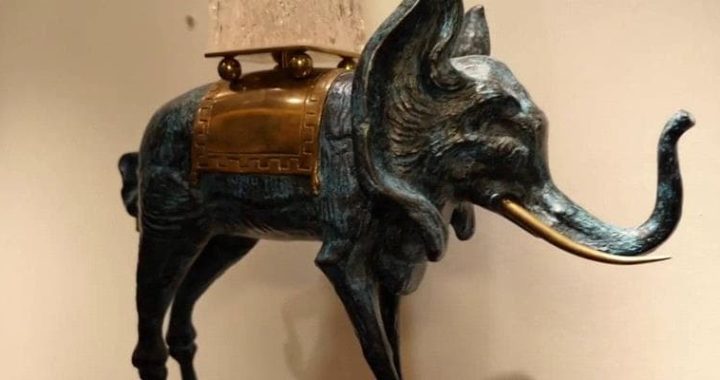
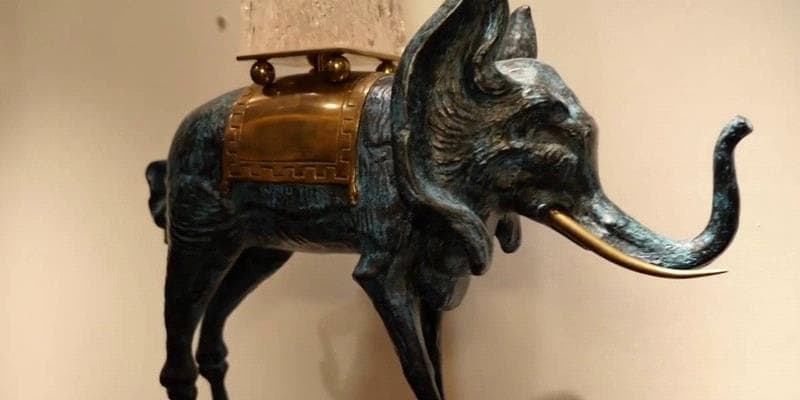
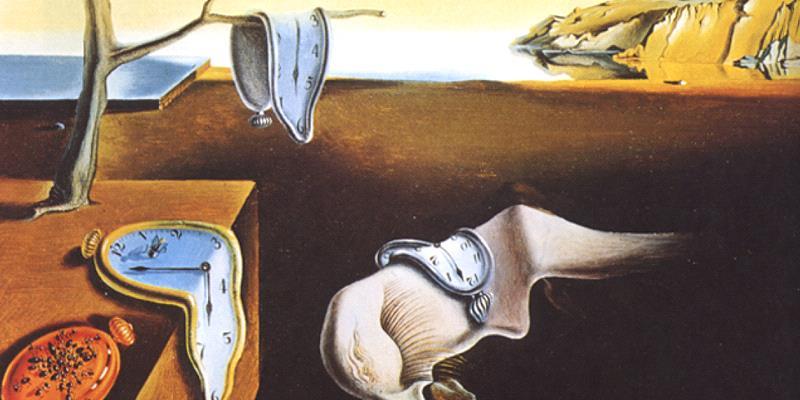
When it comes to Salvador Dali artwork, chances are you are most familiar with his surreal pieces. Dali was extremely famous for his dreamlike landscapes, such as is seen in The Persistence of Memory, commonly called “the melting clocks,” or his Ship with Butterfly Sails. His paintings have the ability to transport viewers from an ordinary world to a far more intriguing one usually not seen outside of your subconscious in the dead of night. However, while we all love his paintings, not as many know about his bronze arts. Salvador Dali sculptures are just as magnificent in a whole different light as his work with a brush.

Bronze Arts

Salvador Dali’s Bronze Sculptures are Continuously Sought After

Like many of his paintings, Salvador Dali’s famous sculptures can carry a viewer away. While some of his pieces are more basic, such as his Man with a Butterfly, which depicts a nude man holding a butterfly on the end of what appears to be a stick, they have a much deeper meaning. This piece, for example, carries the deeper message of the man leaving this world to move to a different physical plane in which he can live freely and happily. Others, though, are surrealist arts through and through. For example, there are a wide range of different clocks that appear to be melting, much like we saw within the Persistence of Memory. In fact, there is a sculpture based off the painting with the same name. Other clocks include Persistence of Time and Nobility of Time. Dali went through various phases when working on his bronze sculptures, each with a different name, theme, style, and deeper meaning.

Salvador Dali artwork

Dali’s Art Collections

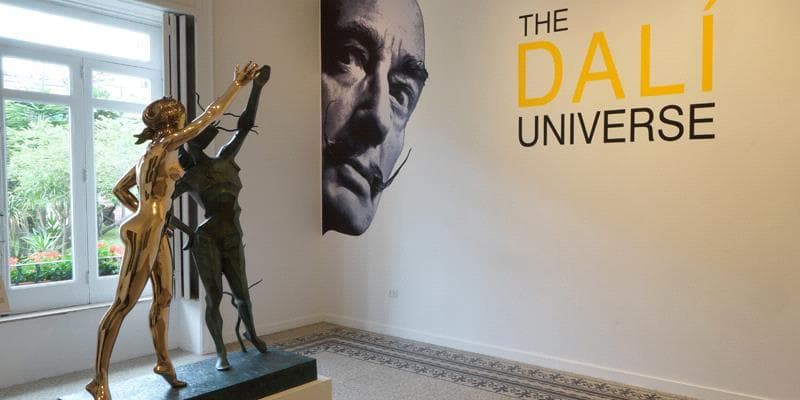
Dali has a great number of fantastic quality bronze sculptures and they can be divided into two main categories- museum size and monument size. Each collection has 29 pieces and 15 pieces respectively. These were, for the most part, created using the same lost wax method that has transcended through the years as this art style has progressed.

Persistence of Memory

• Museum Size

Museum size sculptures are some of his more famous works. These are exactly what they sound like. These pieces are medium sized pieces that travel to different museums along with different exhibits. They have been viewed by more than 10 million people worldwide and provide a large emotional impact. These pieces are primarily based on items that were prominent throughout Dali’s life, particularly in childhood, and became icons throughout his work. Some of his museum pieces that you may recognize include Adam and Eve, Danilian Dancer, and Dance of Time I, II, and III. Clocks are still prominent, as well as surreal views of people, animals, and landscapes.

• Monument Size

Dali’s monument sized collection also travels the world and has been moving around since 1989. These pieces have been showcased in Rome, Hong Kong, London, Sydney, Singapore, and countless other important or tourist heavy cities. Some of these share names and images with museum sized pieces, such as Dance of Time II and Persistence of Memory. Others, though, are exclusively large-scale outdoor statues, such as Woman Aflame and Saint George and the Dragon. These timeless pieces bring in tourists and business for the companies surrounding the pieces, but also reveal a transcendent emotional value as with any classic art piece.

Selling the Family Silver

Selling the Family Silver: Beware of Smelters Who Can Smelt Your Treasure into Trash

When you start looking for antique buyers for your silver, you’re likely to come across some people who offer to purchase your items sight unseen. If pushed, they may admit to buying silver by the ounce simply to melt it down. These companies often advertise that they buy gold, silver, and other specialty metals to recycle them. They will buy your family silver flatware along with silver coins, jewelry, and much more. They don’t really care what state it’s in, they simply want to melt it down and sell it as silver.

That might seem like a great deal. After all, you don’t have to do any research on the items. You just take in the family silver and walk out with a nice amount of money. But there are some reasons why these smelters may not be the best deal for you. In fact, they may turn your family treasures into trash.

antiques sale

They Don’t Care About the Pieces

If you’re selling to antique silver collectors, they’re going to value the age and rarity of the pieces. You’re likely to get more money for older items, especially if they’re items that the collectors have been looking for or that complete their sets. With smelters, that’s not the case. They don’t care if something is hundreds of years old or if it was made yesterday. If you’re offering them something that’s sterling silver (at least 92.5% pure silver), that’s all they care about. They pay the same no matter how old or how rare the item is.

They Don’t Look at History

That can be disastrous if you’ve got a rare piece that’s worth much more than the silver it’s made from. You could get a lot of money from the right collector. There’s also the fact that you may have a piece of history that is quite rare. In some cases, a museum may pay a nice amount for your silver. It’s always best that you do some research and learn about the history of the pieces you have before selling to smelters. Otherwise, you could not only accidentally lose a good amount of money, but you could also help destroy something that’s priceless.

antique silver item

They Don’t Pay Well

If you search for the best place to sell antiques, you won’t find smelters on the list. That’s because they don’t pay that well. That’s because they will likely resell any silver they buy from you after the melt it down. This means they have to have some room in the price to make a profit. If you’re looking to get top dollar for your silver, smelters and anyone else who plans on reselling the silver later is not the place to go.

If you know the silver items you have aren’t worth very much, smelters may offer you the best price you’re going to find. However, make certain that you’ve done some research on the items and even had them appraised by a silver expert first. The last thing you want to do is sell valuable silver items to a smelter for next to nothing.

christofile silver marks

How to Spot the Most Valuable Christofle Silver Marks?

We all know that silver is one of the sophisticated and expensive metals. Owing to the craftsmanship and beautiful designs, silver items hold a special place in people’s residences. Silver not only holds a great value, but also it has a touch of sophistication. In the earlier days, people used to collect antique silver pieces to elevate the appearance of their homes. In the present days, it has been a trend of using silverwares for daily use and in special occasions as well. Are you fond of using silver items? Do you use Christofle silver items?

The Christofle silver items mark a touch of elegance. It is one of the pricey silverwares which you might have saved it for special occasions. Do the Christofle silver items have Christofle sterling silver marks? Christofle introduced high-quality silver items which will exude luxury and will also be affordable to you. Before you use the Christofle silverwares and other silver accessories for your home, you should be ascertaining that you are using authentic Christofle silver pieces. We are the trusted dealer of antique silver items in Florida. We will help you know how to spot the authentic Christofle silver with the help of Christofle silver marks.

christofile silver marks

Identify the Silver Pieces by Way of Christofle sterling silver marks

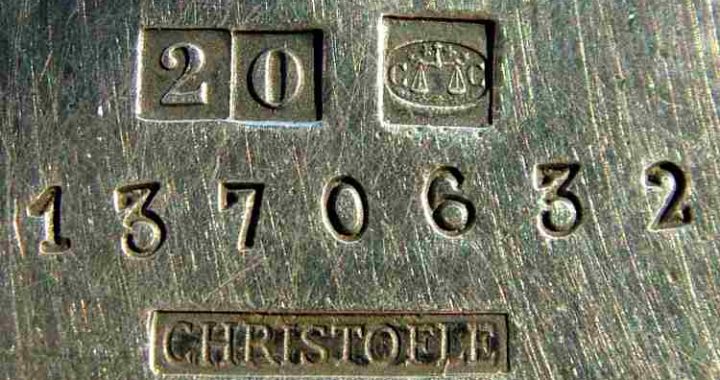
Christofle is one of the prominent silver designers who has designed innovative silver flatware pieces, crystal vases, silver picture frames, hollowware and porcelain dinnerware. The silver items of Christofle have been highly appreciated worldwide. How will the buyers know that they are using silver items of Christofle? In order to mark authenticity in the silver pieces, Christofle silver marks have been used. You will come to know you are using original silver pieces of Christofle when you will see the Christofle sterling silver marks in the silver pieces. In the following lines, you will get an idea on how to read silver hallmarks.

How to Read Silver Hallmarks?

Using silverware of Christofle is a matter of pride. While purchasing Christofle silverware, you should make sure that you are purchasing original products of Christofle. By reading the silver hallmarks, you will be able to make the difference between authentic and fake silverware. If you are thinking how to read silver hallmarks, then you should glance through the lines mentioned below.

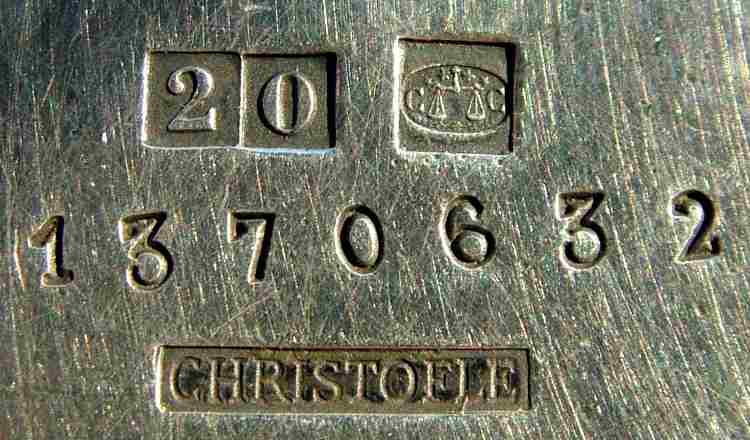
Charles Christofle has used various types of markings on his silverware pieces since the early 1800s. People have come across many types of Christofle silver marks which kept changing with the passage of time. If you had used the silverware of the past years, then you might have noticed ‘GC’or ‘CC’ mark along with a scale in the middle portion. As years passed by, the word ‘Gallia’ was inscribed on the silver pieces. The Christofle sterling silver marks contain a number such as ‘925’ which is embossed on the piece of every silverware. The number implies that 92.5% silver has been used in the Christofle silver items. If you see ‘800’ on a silver piece, then you should know that the silverware is a plated piece instead of sterling silver.

Next time when you purchase Christofle silver items, you will keep the hallmark signs in mind as you know now how to read silver hallmarks. Use the best designed and original silver pieces which have Christofle silver marks from us.

Silver collections appraised

Antique Collectors need to get their collections appraised Before Selling.

Antiques are highly valued possessions for many people, whether they collect them for sentimental reasons or as a source of income. If someone wants to sell an antique item, it’s important to determine its fair market value. To do that, it’s crucial to have a precise understanding of the item’s worth and set a price that covers all reasonable costs. An antique collector needs to understand what they have before selling it.

Know About The Different Types of Appraisals.

Knowing its value earlier is essential if you plan to sell antique silverware. It is where appraisals come in handy. More appraisals are available; selecting the right one can make a massive difference in the outcome. Experienced antique silver collectors who have been in the industry for a long time generally know what their collections are worth. However, if you’re a beginner collector, you must be careful when examining for an appraiser or buyer.

Selecting an experienced dealer or appraiser to sell antique silverware is intelligent. They can provide relevant & best information about antique vintage items, making moving forward easier. Moreover, they can help you get the best possible price for your antique silverware.

When thinking of selling your antique silverware, getting an appraisal is essential. An assessment can help you identify the value of your silverware and help you decide how to proceed. An evaluation can also provide you with documentation that can be used for insurance purposes or to prove the value of your silverware in case of disputes.


Antique Collector


Why Should You Always Get an Appraisal Before You Sell ?

It is highly recommended to always get a current appraisal before selling any piece of silver. Even if you have had an appraisal done in the past 6 months, the value of your item may have changed based on the current market value.

Antique buyers are usually prepared to conduct appraisals, and you can rely on them to inform you if the value of a silver flatware set has increased. It is important to note that trustworthy buyers do not try to negotiate the appraisal process and provide a smooth appraisal experience to the sellers.

For a hassle-free and prompt appraisal session, you can choose us. We are reputable Silver buyers who conduct appraisals before proceeding with the sale. Suppose you want to sell your silver piece. In that case, getting a current appraisal beforehand can ensure you receive the best possible value for your item.

​It’s good to Appraise Your Collection.

Antique Appraisals


It’s important to note that the value of your silver collection can fluctuate over time. The market for antique silverware is constantly changing, and certain pieces or patterns may become more or less desirable to collectors. That’s why it’s crucial to have your collection appraised regularly to stay up-to-date on its value and make informed decisions about buying or selling it.

In addition to demand and rarity, other factors that can affect the value of your silverware include its historical significance, craftsmanship, and provenance. For example, a silver tea set owned by a famous historical figure or created by a renowned silversmith may be more valuable than a similar but anonymous set.

​What Affects the Value of Silver?

Regarding condition, collectors generally prefer pieces that are in excellent or near-perfect condition, with minimal damage or wear. However, even slightly damaged or tarnished items may still hold value, especially if they are rare or historically significant.

  • Age
  • Condition
  • Popularity
  • Rarity

Ultimately, the value of your silver collection is determined by a complex interplay of factors. It’s always a good idea to seek the advice of a professional appraiser or antique dealer if you have any questions or concerns. With the proper knowledge and guidance, you can ensure your collection remains valuable for years.