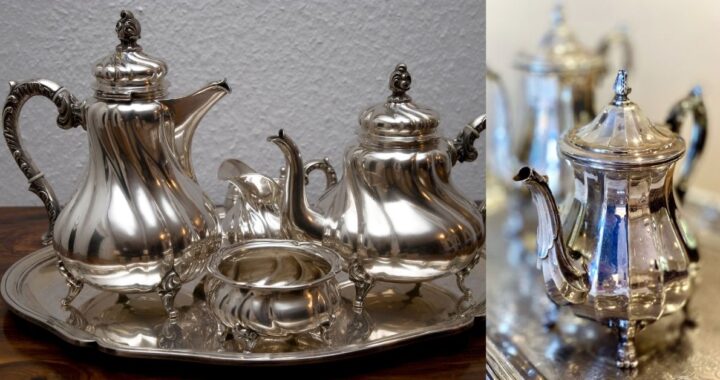
An antique silver teapot is not merely an elegant piece of tableware; it may tell a story about the people who owned it, when it was made, and the skill of the maker. However, if you have inherited one or found an old teapot at an estate sale, you might ask whether it is actually silver, how old it is, and what to do with it.
The good news is, you don’t need expert knowledge to start. Hallmarks, markings, condition, craftsmanship, and history can help reveal your teapot’s age, authenticity, and value.
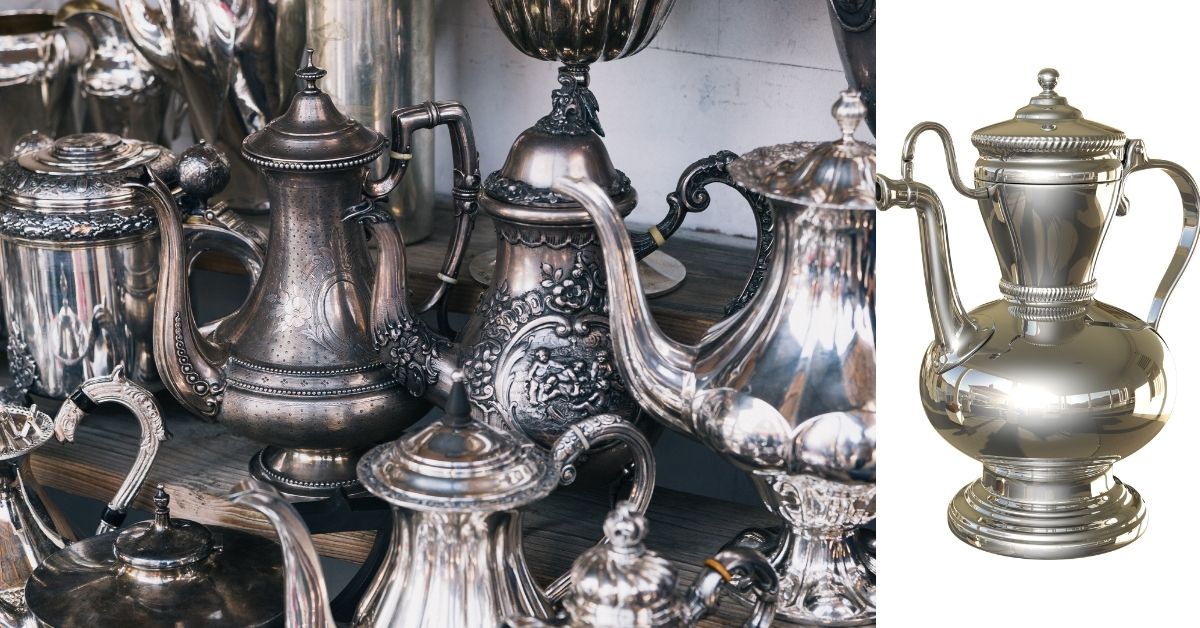
Why is it hard to figure out the value of an antique silver teapot?
It can be difficult to assess the value of an old silver teapot because two items that look similar can have very different values. Simply being old does not mean an item will fetch a high price.
Several factors determine the value of an antique silver teapot, including the maker, the amount of silver it contains, its rarity, its condition, the design, the date, and its historical background. It is a mistake to believe that the value depends solely on the weight of the silver. Although silver content matters, collectors may also consider artistry, rarity, and provenance.
You may miss important details if you base your judgment solely on appearance or silver content.
How to Identify an Antique Silver Teapot
First, inspect carefully and look for any stamps or symbols on the bottom, handle, lid, and other less obvious areas.
Check the Antique Silver Teapot Hallmarks
You can usually determine the origin and age of antique silver teapots using the most helpful clues—the hallmarks. These hallmarks can indicate the silver standard, the maker, the place, or the date, depending on when and where the teapot was made.
Check for letters, numbers, symbols, or small stamped patterns. Don’t assume all scratches are the same. Hallmark systems vary by country and time period.
Examine the Antique Silver Teapot Markings
You can sometimes identify the manufacturer or silversmith of an antique silver teapot from the markings on the pot, and a maker’s mark is especially useful when researching a specific item.
Before you begin your research, make sure you take clear photographs of all the markings. Even a small or partly worn symbol can be a significant clue.
What is the value of an antique silver teapot?
The value of individual antique silver teapots can vary widely. Before estimating its value, consider several factors.
Maker and Rarity
A teapot crafted by a well-known silversmith or manufacturer might appeal more to collectors. Rare designs produced in limited numbers, or unusual ones, can also catch buyers’ attention.
Age and Historical Importance
It does not follow that older items are more valuable. However, a teapot linked to a specific historical period, event, family, or famous owner may be more interesting.
Condition
The condition of an antique silver teapot strongly influences its value, since dents, cracks, missing parts, repairs, heavy wear, or alterations can reduce its appeal to collectors, while one in good condition with all original parts would receive more attention.
Silver Content
The type and amount of silver can also affect value; for instance, an antique sterling silver teapot has a fixed silver standard, while silver-plated articles have a different composition and therefore a different value.
How To Value an Antique Silver Teapot
If you’re unsure how to value an antique silver teapot, start by collecting as much information as you can. Note the teapot’s size, weight, markings, apparent age, condition, and any known history, and then compare it with similar examples in reliable auction records, antique references, and specialist sources.
Online prices can be misleading because the asking price doesn’t always match the price it sells for.
Is it necessary to clean the antique silver teapot before it is valued?
Generally, you don’t need aggressive cleaning or polishing before having an antique assessed, since heavy polishing can damage the surface and cause features that help determine its age or originality to disappear.
Rather, handle the teapot with care and keep it unchanged until you know what you have.
Frequently Asked Questions
How to Identify Silver in Your Teapot
Look for any signs of silver or other marks and find out what they signify. If the marks are unclear, professional testing may help determine the metal content.
Does the age of an antique silver teapot make any difference?
Not by itself; age is just one factor, but the maker, rarity, condition, silver content, design, and historical significance can all affect value.
Is every silver teapot worth having any value?
Not at all; some are common while others are rare and highly collectible. You should not assume that something has value until you have correctly identified it.
Where can I have an antique silver teapot appraised?
A professional appraiser or experienced antique silver expert can examine the teapot, identify its characteristics, and provide an accurate estimate.
Final Thoughts: Find Out What Your Antique Silver Teapot Is Worth
An antique silver teapot may be historically interesting and have collection value, but its true worth goes beyond its appearance. If you assess its condition and silver content, check the hallmarks, and investigate the markings, you will be in a better position to decide.
If you have an old teapot and are unsure of its authenticity, history, or value, it’s best to have it professionally appraised before you decide to sell it or make any significant changes.
Ready to Learn More About Your Antique Silver Teapot?
If you have an antique silver teapot and want to learn more, Antique Silver Buyers can help you get a professional appraisal with details about its age, authenticity, features, and potential market value.