Lion hallmark

Is Your Antique Silver Solid or Plated? A Guide

How to tell if something is silver plated or solid silver?

You have a prized silver antique collection, but do you know if it is solid silver of simply silver plated? Does it really make a difference? It does if you are concerned with the value.

Silver plating was developed as an inexpensive way for people who couldn’t afford sterling (or solid silver) to enjoy the beauty of the metal without the hefty price tag. In fact, some manufacturers got so good at creating silver plated items that it is sometimes difficult to tell the difference between the two. Unfortunately, when it comes to the value of your antiques, whether you have solid or plated silver makes a big difference, so it is important to be able to differentiate between the two.

Look for a Stamp

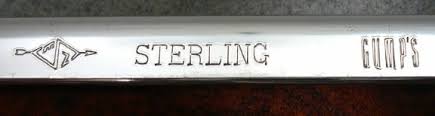
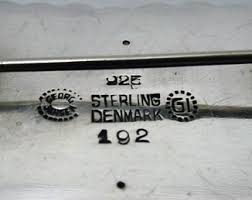
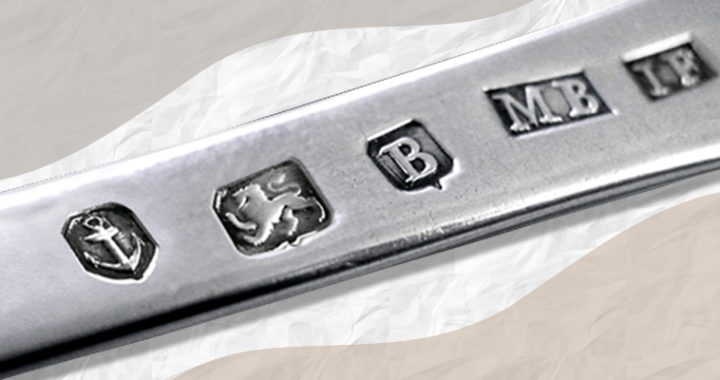
If your antique silver technique is truly sterling silver and not simply plated, it will be stamped with a telltale hallmark. Typically found on the bottom of the piece, a silver stamp may include:

  • The words “Sterling Silver’
  • A numeric value (800, 900, 925, etc.)
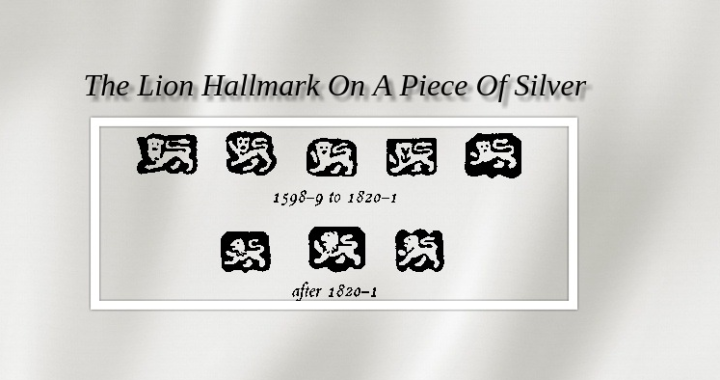
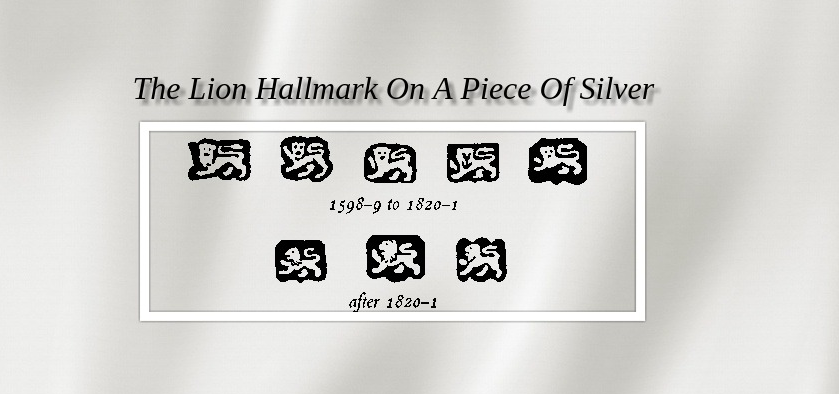
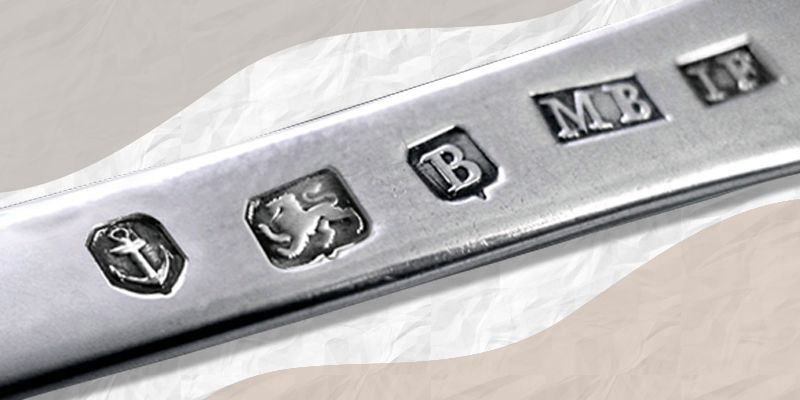
  • A lion hallmark

Lion hallmark

If you notice a stamp on your antique silver, use a magnifying glass to inspect it closely. International sellers commonly use the numeric values, as they will indicate the percentage of fine silver that is found in the piece. For example, a piece stamped with 925 will indicate that the item is 92.5% silver.

If your antique silver doesn’t have a stamp, you should be leery about its silver content. It may have simply been produced in a country that doesn’t stamp its solid silver products, but you should follow up with an additional test.

Perform the Magnet Test

A strong magnet can be a good tool in determining whether your silver antique is solid silver or plated. Silver exhibits weak magnetic effects, so if you hold a magnet up and it sticks to the piece strongly, you can feel pretty confident that the piece isn’t silver. Similarly, if the magnet doesn’t stick, you shouldn’t automatically assume that you’ve got the real deal. There are plenty of materials that resemble silver and are not magnetic.

Use Some Ice

Another great way to test whether or not you own a solid silver piece can be performed with something that is probably already in your freezer – ice cubes. Silver is an excellent conductor, meaning it relays heat and cold quickly. Put some ice on or inside of your silver item, depending on what it is, and wait to see if it gets cold. Sterling silver items should be cold in less than a minute. This is an especially helpful method when you have two items that you can compare, such as a sterling silver spoon and a spoon from a silver plated set.

Get Your Piece Evaluated

If you still aren’t sure about whether or not your antique is solid silver or silver plated, there are a variety of great professionals out there that can give you some insight. An antique dealer, auctioneer, appraiser, or estate sale company should be able to examine your item and tell you about its silver composition.

antique silver collection

5 Facts Everyone Should Know about Antique Silver Collections

Are you interested in collecting antique silver pieces? Antiquing is an exciting hobby, and it is one that can pay off financially in the long run. If you have an antique silver collection – or if you are thinking about starting one – keep these facts in mind.

antique silver collection

­ Antique Silver Collections Can Consist of 50-­100 Pieces or More

An antique silver collection doesn’t mean that you need to have hundreds or thousands of pieces. Even 50 pieces can be a pretty substantial collection, especially when you consider the value of the silver. If you have less than 50 pieces, go ahead and sell them- you can make huge earnings by selling few pieces of silver (being a precious metal).

You Can Collect One Thing or Make All Antique Silver Fair Game

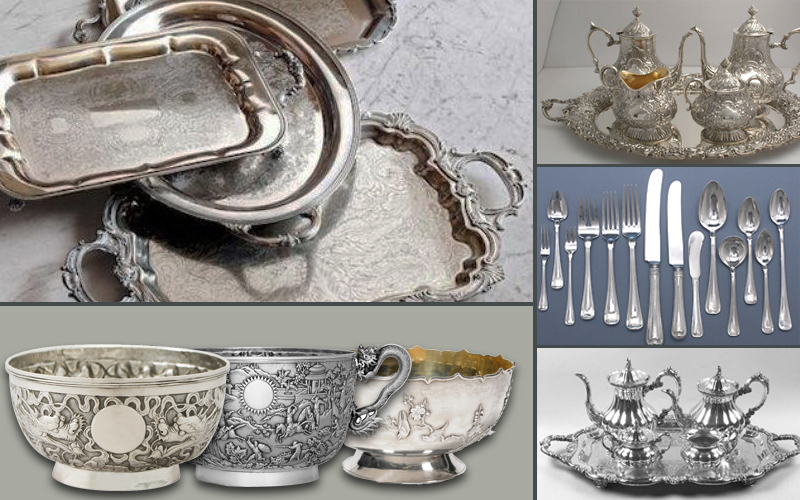
If you are an antique silver enthusiast, you have several options when it comes to your collection. You can focus on obtaining the same type of item – such as silverware, silver flasks, vases, or any other item that interests you – or you can simply focus on finding unique items that are made out of silver. Just don’t be afraid to mix and match different types of patterns, especially if you’ll be using or displaying your silver pieces throughout your home. Different patterns can create a unique and interesting aesthetic within your collection.

­ Silver Collections Are Easier to Sell than Other Antiques

When it comes to selling antiques, silver collections are one of the easiest items to sell. Silver is a valuable, precious metal, as silver products are typically made from a pure silver alloy with a small proportion of a base metal. Antique dealers are usually excited to get involved in the sale of an antique silver collection, as there is often significant value for everyone involved.

­ Use the 80/20 Value When Selling Your Collection

The 80/20 rule comes from the Pareto principle of business, and it means that 80% of sales tend to come from 20% of the products. When it comes to antiques, the same can be assumed – about 80% of the monetary value of your collection will be concentrated in 20% of your silver pieces. Not all of your items will have a significant dollar value, so when selling your items, you should try and put most of your effort in the most valuable pieces. An antique dealer can help to identify the most important pieces in your collection.

­ Auction Houses Love Collections

If you have an antique silver collection and are ready to sell, a local auction house or dealer will likely be excited to get involved. Collections are easier to sell than individual pieces, especially when you consider the value of silver. If you need assistance in selling your collection, you should have no trouble finding assistance just make sure to seek out a couple of estimates to ensure you are getting a good deal.

Collecting antique silver can be a rewarding and valuable pastime, and at Antique Buyers, we can provide you with a market analysis to find out just how much your collection might sell for at an auction. By taking proper steps when caring for and selling your silver items, all of your hard work and years of dedication to your collection will pay off.

antique-silver-tea-set

Uncovering the Real Value of Your Parents’ Antique Kitchenware

Hold up just a second before you go ditching that antique silver spoon collection your Mom handed down to you, or scrapping the antique kitchenware, you might want to do a quick search for “silver buyers near me”.

There’s a world of difference between silver buyers of antique silver and scrapping, pawning, or selling silver in a yard sale. Doing some research on the subject of Antique Silverware Buying & Appraisal is worth its weight in gold.

antique-silver-tea-set

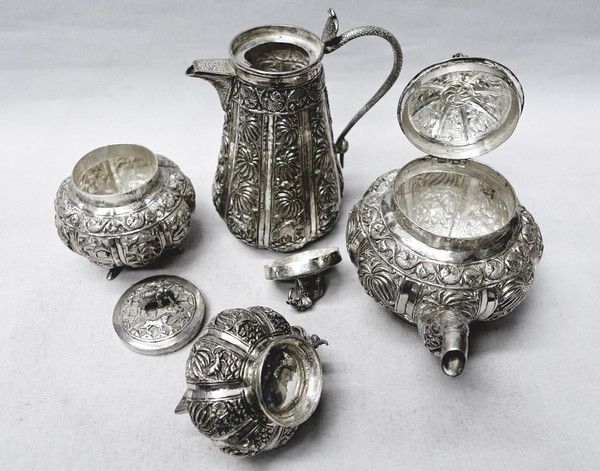
Antique Silver and Silver Tea Set Buyers

A fortune could be hidden in your parent’s (and even grandparent’s) kitchenware. Antique silver potentially has much more value than if you sell it by weight alone. Antique silverware buying and selling is big bucks when there’s a history behind the piece or pieces. Even the decorative artwork on your antique silver can boost the value. It’s best to consult a silver tea set buyer or antique silver buyer when you are in the market to sell.

Finding a Trustworthy Buyer of Antique Silver

Unfortunately, especially with the boom of online silver tea set buyers and antique silver buyers cannot all be trusted. Even selling to a local buyer can be risky. You’ll want to check out any potential buyer you plan to do business with.

Find out if the business is local, or if it’s online, be sure there’s a longstanding internet presence that’s not flighty. Look for verifiable references that aren’t just on the company’s own website or social site. Check for credentials and length of time in business too.

Why Trust Antique Silver Buyers?

Antique Silver Buyers is a name you can trust as a silver tea set buyer, antique silverware buyer, and buyer and appraiser of antique silver of most any kind. We’ve been in business for 25 years and have a myriad of happy customers that sing our praises. Many are repeat customers we’ve had for years.

Based in Florida, Antique Silver Buyers is dedicated to doing business face to face. We believe that the appraisal, selling, and buying of antique silver should be a personal encounter that can only be conducted properly when it’s done eye to eye. We want to meet you and make your experience an ultimate one.

When it comes to selling your antique silver, turn to a trusted buyer you can trust. Turn to Antique Silver Buyers.

The Best Way to Clean Silver Jewelry: Tips & Tricks To Eliminate Smudge from Silver

Know How to Clean Silver and Save It

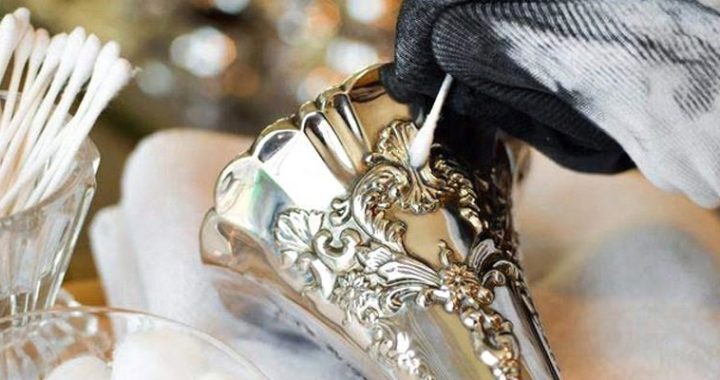
Are you tired of seeing smudges all over your antique silver flatware? If so, you probably spend a lot of time with a polishing cloth trying to get those smudges out. But what if there was a better way? There are a number of different old tips and tricks that you can use to get those smudges out of your favourite silver pieces.

Here are a few tips to clean silverware.

Vinegar


Vinegar

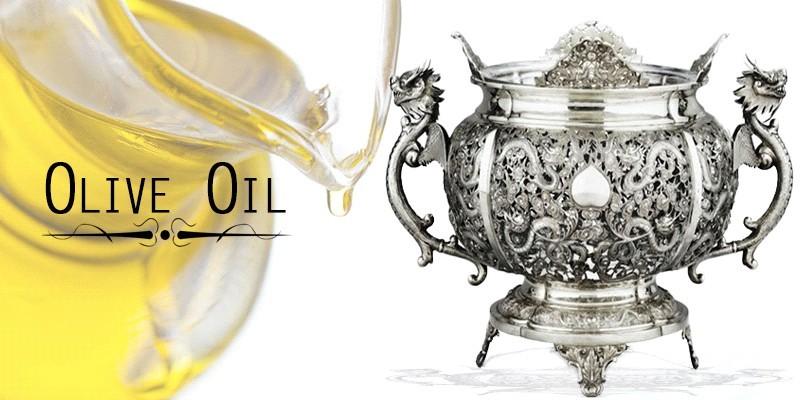
Olive Oil


Most people know that they can clean their antique silver using vinegar. It’s one of the time-testing methods that works incredibly well. It will also remove any tarnishing from your silver, leaving it looking brand new and smudge-free.


Olive Oil


This technique is great for cleaning items such as antique sterling silver bowls that are going to be passed around a lot. The olive oil will clean all the smudges off, but it does more than that. First, put a bit of olive oil on a soft cleaning cloth. Now rub the cloth against your silver, going with the grain. Then wipe it off using a clean cloth. You’ll remove a good amount of the olive oil, but very trace amounts will remain. These amounts will actually create a protective barrier that prevents future smudges. You’ll need to reapply every now and then, of course.

Use Proper Storage Techniques

If you don’t want to spend time cleaning your silver when you take it out of the cabinet, make sure you’re storing it correctly. All of the silver should be completely dry before you place it in the cabinet. Make sure each item is wrapped in special anti-tarnish paper or in flannel. Then put each piece into an air-tight bag. You can also add some of those small packets of silica gel to the drawer or cabinet. They will help reduce the humidity in the area.


Use Proper Storage Techniques


For items such as antique silver trays, you may want to get anti-tarnish cloth to place in between them when stacking. This is especially necessary if you’re not wrapping the entire piece in anti-tarnish paper. Silver scratches easily, so you want to make sure your items are protected.

Other Cleaning Methods

There are a lot of other common household goods you can use to clean the smudges off of your antique silver tea set and other silver items. Many of these techniques will also help you remove tarnish, so you can take care of two tasks at once.


Other Cleaning Methods


  • Use warm water and a mild dish soap.
  • Use soda water and a damp cloth.
  • Polish the silver with baby oil. Like olive oil, it will help create a protective barrier that prevents future smudging.
  • Use lemon juice.
  • Polish your silver with sheepskin.
  • Use a furniture polish wipe to remove smudges and other spots.
  • Clean your items with glass cleaner.

Many of these tips will work on all of your silver, but if you’re at all concerned, try the solution on a small, unnoticeable part of one piece of silver first.

925 sterling denmark 192

Silver Markings : Demystifying the Hallmarks

Your silver is worth money. But there’s so much more to it than that. Over the nearly 30 years that I’ve spent discovering fascinating new pieces, I’ve taken it upon myself to try and share this deep appreciation of not only the value of some items but the rarity, craftsmanship, history, and stunningly brilliant beauty of the collections people bring to me.

And if that isn’t of interest to you, you’ll be interested in knowing that by being able to identify these traits can help assure you that you get exactly what your silver is worth.

Today we’re going to talk about Silver Hallmarks. Just a drop in the bucket, since this is an entire specialty of knowledge, but an excellent foundation.

Related Blog – Selling Gold and Silver: 4 Rules for Dealing with Antique Buyers

Silver Hallmarks, Silver Markings:

Sterling Silver

Essentially every new silverware set, tea set, etc. you will come across is marked with a stamp called a silver hallmark. The purpose of a silver mark is to tell the buyer (or in this case, you) what the purity of the silver is. The most common markings for sterling silver are fairly easy to decipher:

Sterling

– 925 or .925

Sterling Silver

This indicates a 92.5% silver purity. Silver is often blended with other metals for increased strength. You may also see lower percentages of silver, such as 900 or 800. This indicates a lower percentage of silver and is no longer considered ‘Sterling’.

Fine Silver and Silver Plate

Fine Silver, quite simply, is composed of 100% pure silver. Pound for pound this is the most valuable silver you can find. We’ll learn next time what can give ‘pound for pound’ a run for its money. However, for today we’ll keep things simple. Fine Silver can just as easily be identified with the markings such as Fine Silver or Pure Silver. Rogers sterling (often marked Wm Rogers – and also indicated ‘Sterling’) is actually pure silver. Whereas Rogers plated silver is not.

Fine Silver or Pure Silver

Be wary of items marked as Stainless, Triple Plate, IS, Silver, EPNS, and the like. These indicate that your items are made from stainless steel, electroplated, or are simply silver plated. While these may be beautiful items they are not all that valuable. You may simply want to keep them in your home for your own enjoyment.

Unique Markings

Here’s where things get interesting. Remember what I said in the beginning? There is so much more to Silver than it’s weight in… silver. You will not always come across a marking that is as simple to read as what I’ve outlined above. Markings from around the world vary in more ways than just the country it comes from.

There are literally thousands of these unique markings offering insight into:

–  The age of a particular item
–  Place of origin
–  Rarity
–  Manufacturer
–  Significance

And so much more.

For a quick example, the image below is a silver marking from the Kirk firm, founded in America in 1815. Samuel Kirk introduced a unique type of repousse decoration that has become known as the Baltimore Style and as since become highly imitated. This marking indicates both the year, location, manufacturer, and historical significance of the piece.

Kirk silver marking

I hope you found this all very informative and exciting! I look forward to sharing more of my appreciation and knowledge about the wonderful works of silver soon. We’ll discuss markings from all over the world and the difference in significance between them.

If you’re eager to discover the true value of your silver right away, I always encourage people to consult a respected expert or two. You can also contact me directly and I’d be happy to answer any of your questions.

How to Prevent Tarnishing of Sterling Silver

How to Prevent Tarnishing of Sterling Silver with 4 Simple DIY Hacks

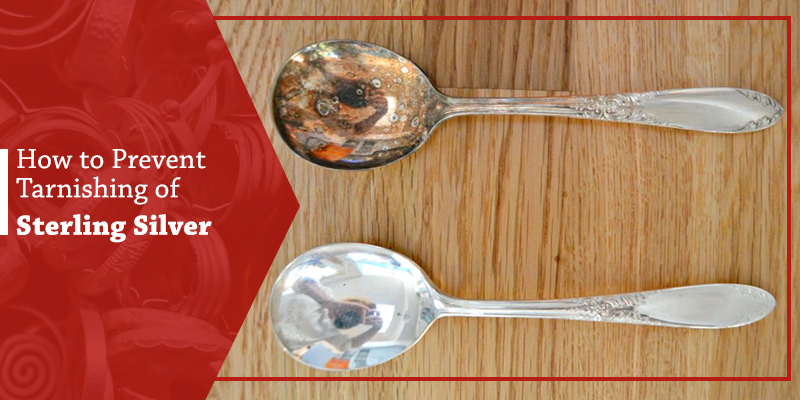
If you use your silver items often, you may find yourself polishing them before and perhaps even after every use. The amount of tarnish builds up quickly. Fortunately, there are a few different ways you can actually prevent tarnish from building up. By combining these hacks with the best way to clean & polish silver, you’ll keep your items looking great.

How to Prevent Tarnishing of Sterling Silver

Use Special Bags

There are special anti-tarnish bags that are made to keep your silver pieces clear of tarnish. You won’t need to know how to polish silver if you have these bags. They’re designed to neutralize sulfur and other corrosive gases. These bags generally last around two years, even if you open them regularly.

Try Anti-Tarnish Paper

Another option is to place anti-tarnish papers between your silver items or around your silver jewelry. The items and paper can then be placed in an airtight bag or box. These papers usually last for around six months. You might still need to remove tarnish from silver pieces that are stored for longer than that.

Always Clean Your Silver After Use

If you’re not sure how to clean tarnished silver, you may need to purchase a polishing cloth. You can keep your silver flatware and plates in good condition if you give it a good polishing and make sure it’s clean before you put it away. You may not need to polish it after every use, but you do need to clean it thoroughly. Never put silver in the dishwasher. Instead, wash it with warm water and completely dry it before putting it away. Doing so will help keep the pieces from tarnishing.

Use Chalk

Basic chalkboard chalk can also help absorb sulfur and other gases that can tarnish silver. Simply place a few sticks of chalk in your jewelry boxes or in the cabinet where you store your silver pieces. Change it out every few months.

Deciphering Marks on Sterling Silver

American Silver Marks: Deciphering Marks on Sterling Silver and Silver Plates

Unlike silver items made in the UK, Europe, and some other parts of the world, American silver doesn’t have as many unique marks that make it easy to determine the manufacturer and other information. The U.S. doesn’t have assay offices, and up until 1905, there were no federal rules requiring silver manufacturers to place any type of quality guarantee on items.

Deciphering Marks on Sterling Silver

Silver Coin Marks

Prior to 1868, most silver in the U.S. was created by melting down silver coins. That meant the pieces greatly varied in purity. The coins used were, at the time, only sometimes marked with a standard mark. Even then, that mark often only said “Coin” on it and told nothing about the silver purity. The antique silver value of these pieces can be very difficult to tell, especially if you don’t have any information about the piece.

Sterling Silver and the Introduction of Marks

Following 1868, sterling silver became the standard for coins, and in 1907, a standard sterling silver mark was introduced. The Federal government now required manufacturers to mark sterling silver pieces with a “925” mark, guaranteeing that the piece was at least .925 or 92.5% silver. This acted like an assay mark.

A Variety of Marks

Soon, different silver manufacturers began marking items in their own unique way. Tiffany & Co. was the first to add their own mark by adding “Sterling” to the 925 stamp. Soon, other manufacturers were adding their company name or creating unique marks to place on their items. There were no regulations on these marks, though, so the information provided did vary from company to company. Some included the year or location where the piece was made, but others didn’t.

This can make it difficult for antique silver buyers to easily determine information about their sterling silver pieces. Fortunately, experienced appraisers are often familiar with many of the manufacturer marks.

up-for-a-little-antiquing-during-the-corona-virus-pandemic

Up for a little “Antiquing” During the Corona Virus Pandemic?

It is unprecedented calamity on a global scale. It stated as a distant rumor of an outbreak in China in the middle of winter and then spread slowly at times and like wildfire at other time through the world. Novel COVID-19 (aka the Corona virus) is a serious and highly contagious respiratory illness that is already responsible for thousands of deaths worldwide. It has forced the mass shut-down of everything as we practice social distancing in an effort to slow the spread of the pandemic. Now we are all working from home or just at home because we don’t currently have a job. It is a dark time and we all striving to find little rays of light in the darkness. Or maybe some normalcy that we can cling to for a little while. And, let’s be honest, along with being anxious, scared, and angry, we might also be bored.

up-for-a-little-antiquing-during-the-corona-virus-pandemic

It is an environment that has changed everything. There is no clearly defined end in sight yet. It has been a massive adjustment for everyone and every business. Most business have been sharply curtailed or even closed. Some essential businesses like grocery stores have to remain open. A lot of other businesses have had to focus as much as possible on doing business online. The antique business is among those. While the digital revolution has meant a huge increase in online antique appraisal and antique sales, that is not the tradition way of doing business for antique buyers and sellers. In this article we are going to explore the effect that the novel COVID-19 virus has had on the antique business and how you can spend some of your time while on lock-down “antiquing”.

Antique treasures in troubled times

An antique is a piece of the past that may be a hidden treasure or may be just a bit flotsam that has floated down the stream of time. When you look at an antique currently in your possession you may see it as a work or art that you want to display or wear. You may see it as a cherished connection to departed loved one. On the other hand, in spite of its beauty or its sentimental value, you may be asking how much it is worth. It is understandable if the issue is money and the value of your antique is at the forefront of your mind, particularly if the antique is something that is not to your taste but might be very much to someone else’s taste.

Here is the thing, right now a lot of us are stuck at home with time on our hands. It is also spring- a traditional time for “spring cleaning”. Think about that to do list you have had forever that includes cleaning the attic or the garage. Think of that antique you might have in a closet or jewelry box someplace because it doesn’t fit with décor of your home or go with your sense of style. This is actually an ideal time to do some spring cleaning around the house and sell the antiques you have been meaning get rid of. Also, many people currently are not sure when they will be working again and they are in need of immediate money. Potentially valuable antiques can be sold online for money quickly. On the other hand, if you are stuck at home and looking to buy some antiques you might find the antique jewelry, fine silver, or artwork of your dreams in just a few clicks!

“Antiquing” moves online”

When people think about “antiquing” they probably picture taking a drive to the country to browse at a quaint shop. They might picture selling an antique at a pawnshop in the city for fast cash. Some might think of a well-heeled, reputable auction house conducting an auction where people bid with paddles. Obviously, those traditional methods of buying and selling antiques is out. Antique buyers and sellers are already doing a brisk business online and now is time to join them!

At antiquesilver.org. we know how crucial an appraisal is to the process of selling your jewelry. We are among the leaders of online antique appraisers because of our staff of highly skilled appraisers. We have trusted, expert appraisers with the knowledge to accurately determine the highest price you can obtain for your antique silver. They have the technical knowledge necessary to evaluate the quality of your silver and the knowledge of the market necessary to set an accurate and fair value. They make it easy to get online appraisal by a specialist.

When you are ready to get an online antique appraisal by a specialist and sell online, get in touch with us. We are authorized buyers and sellers of antique silver. We are proud to be among the very best silver antique appraisers and sellers online. To get started, please send us a photo and a detailed description of your silver as well as any previous appraisals that have been done. We may also request that you mail your antique silver to us for appraisal. Along with appraisal, we can also help you find a buyer for your antique silver or help you find the antique silver that you have been looking for.