
Discover the world of Wm. Rogers silverware is a realm of timeless elegance and intricate patterns. Each piece is a testament to masterful craftsmanship. Whether you have inherited a set or stumbled upon a single piece at an antique store, understanding the factors that influence its value can be a fascinating journey. Let’s explore the key elements that determine the worth of WM Rogers silverware.
However, not all Wm. Rogers silverware holds high monetary value, as many pieces are silver-plated rather than solid silver. Understanding this difference is essential before estimating worth.
1. Patterns and Symbols:
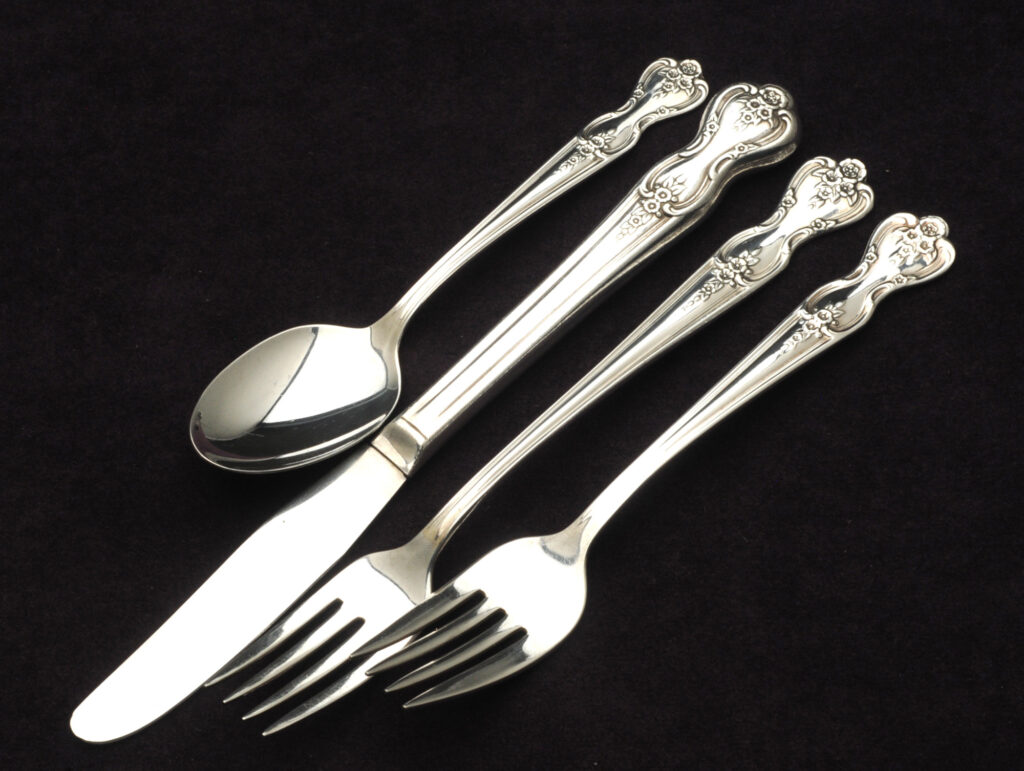
Wm Rogers silverware sets are renowned for their exquisite patterns, each piece a testament to the masterful craftsmanship. These patterns not only add aesthetic appeal but also significantly impact the value. Some notable patterns include:
– Acme: The Acme pattern features delicate floral motifs and intricate scrollwork. Its timeless design appeals to collectors seeking classic elegance.
– Alaska: The Alaska pattern, characterized by geometric shapes and clean lines, exudes a modern vibe. It remains popular among those who appreciate minimalist aesthetics.
– Beauty: As the name suggests, the Beauty pattern showcases graceful curves, floral embellishments, and ornate handles. Its intricate details elevate its value.
– Beloved: Beloved combines floral elements with a touch of Art Nouveau. Collectors often seek out Beloved pieces for their romantic charm.
– Berwick: Berwick features a blend of floral and foliate motifs. Its versatility makes it a sought-after pattern for both formal and casual dining.
While patterns increase collectible appeal, their value also depends on how frequently they were produced. Common patterns may look beautiful but often have lower resale value due to high availability in the market.
Collectors and appraisers often match patterns with historical catalogs to verify originality, which directly impacts pricing.
When assessing the authenticity and purity of Wm Rogers silverware, pay attention to the silver marks. The most common mark is “Wm. Rogers Mfg. Co.” stamped on the pieces. Here’s what you need to know:
– Purity: The silver content varies. Some pieces are silver-plated, which means they have a thin layer of silver over a base metal, while others may be sterling silver, which is 92.5% pure silver. Sterling silver (marked as ‘925’ or ‘sterling’) holds a higher value due to its higher silver content.
Many Wm. Rogers items are marked as ‘A1’, ‘AA’, or ‘Triple Plate,’ which indicate silver plating quality—not solid silver. These pieces generally carry collectible value rather than melt value.
Only pieces marked ‘Sterling’ or ‘925’ contain significant silver content. Without these marks, the intrinsic metal value is usually minimal.
– Date of Manufacture: Occasionally, the silver mark includes a date code. Deciphering these codes helps determine when the piece was made. The date code is usually a combination of letters and numbers that represent the year and month of manufacture. For example, ‘A1’ might indicate January 1901. Read guide on how to decipher date codes on silver marks.
– Beware of ‘IS ‘Markings: While ‘IS’ stands for ‘International Silver,’ it doesn’t indicate purity. Instead, it refers to the manufacturer. Please don’t mistake it for sterling silver, marked as ‘925’ or ‘sterling. ‘Sterling silver is 92.5% pure silver and holds a higher value due to its higher silver content.
Misreading silver marks is one of the most common mistakes, often leading to incorrect pricing or unrealistic value expectations.
2. Condition Matters:
The condition of your Wm Rogers silverware is not just a factor in its value but also a reflection of the care and respect you have for these elegant pieces. Remember, each scratch and wear tells a story, adding to the unique charm of your collection. Consider the following:
– Scratches and Wear: Examine each piece for scratches, dents, or heel wear. Minor imperfections are expected, but extensive damage diminishes the value. For instance, a piece with deep scratches or significant wear on the handle may be worth less than a piece in pristine condition.
In silver-plated items, heavy wear can expose the base metal underneath (often copper or nickel), which significantly reduces both visual appeal and resale value.
– Polishing Challenges: Wm. Rogers pieces are silver-plated, unlike solid silver items. Overzealous polishing can wear down the plating, affecting both appearance and value. To maintain the value of your silverware, it’s important to use gentle cleaning methods and avoid harsh chemicals that can damage the silver plating.
Unlike solid silver, worn plating cannot be easily restored without professional replating, which can sometimes cost more than the item’s value.
3. Historical Context and Rarity:
The era of manufacturing is not just a detail but a pivotal factor. Older pieces, with their unique historical context, often command higher prices. Consider the following:
– Antique Appeal: If you stumble upon a spoon, knife, or fork made by William Rogers, mainly if it dates back several decades, treasure it. Historical context adds allure.
While older pieces are generally desirable, age alone does not guarantee high value. Mass-produced items from certain periods may still have limited demand despite their age.
– Limited Editions: Some Wm. Rogers patterns were produced in limited quantities. Rarity enhances value, especially if collectors seek specific designs. Limited edition pieces are often more valuable because they are harder to find, and collectors are willing to pay a premium for them.
True rarity comes from limited production patterns, discontinued designs, or unique variations that are difficult to find today.
In today’s market, most Wm. Rogers silverware is valued as a collectible rather than for its silver content. Individual pieces may sell for a few dollars, while complete or rare pattern sets can reach higher prices depending on condition and demand.
Buyers typically compare similar items on auction platforms, meaning actual selling price—not asking price—plays a key role in determining value.
In summary, the value of your Wm Rogers silverware hinges on patterns, condition, and historical context. Cherish these elegant pieces, and remember that each fork, knife, or spoon carries a rich legacy. Whether you’re a collector or appreciate fine craftsmanship, Wm Rogers silverware continues to shine as a testament to timeless beauty. The value of Wm. Rogers silverware can range from a few dollars for common pieces to several hundred or even thousands of dollars for rare or unique items.